- English
- French
- German
- Portuguese
- Spanish
- Russian
- Japanese
- Korean
- Arabic
- Greek
- German
- Turkish
- Italian
- Danish
- Romanian
- Indonesian
- Czech
- Afrikaans
- Swedish
- Polish
- Basque
- Catalan
- Esperanto
- Hindi
- Lao
- Albanian
- Amharic
- Armenian
- Azerbaijani
- Belarusian
- Bengali
- Bosnian
- Bulgarian
- Cebuano
- Chichewa
- Corsican
- Croatian
- Dutch
- Estonian
- Filipino
- Finnish
- Frisian
- Galician
- Georgian
- Gujarati
- Haitian
- Hausa
- Hawaiian
- Hebrew
- Hmong
- Hungarian
- Icelandic
- Igbo
- Javanese
- Kannada
- Kazakh
- Khmer
- Kurdish
- Kyrgyz
- Latin
- Latvian
- Lithuanian
- Luxembou..
- Macedonian
- Malagasy
- Malay
- Malayalam
- Maltese
- Maori
- Marathi
- Mongolian
- Burmese
- Nepali
- Norwegian
- Pashto
- Persian
- Punjabi
- Serbian
- Sesotho
- Sinhala
- Slovak
- Slovenian
- Somali
- Samoan
- Scots Gaelic
- Shona
- Sindhi
- Sundanese
- Swahili
- Tajik
- Tamil
- Telugu
- Thai
- Ukrainian
- Urdu
- Uzbek
- Vietnamese
- Welsh
- Xhosa
- Yiddish
- Yoruba
- Zulu
Key Functions of 110563-1 Accumulator in Hydraulic Systems
When hydraulic systems are used to power important drilling tasks, the 110563-1 Accumulator Hydro Pneumatic 4in becomes an important part that keeps the system working properly and keeps operations going. This special hydraulic device saves pressurized fluid energy in a nitrogen-charged bladder mechanism. It gives you instant power backups when drilling equipment needs more than the pump can handle. This accumulator stabilizes changes in pressure, absorbs damaging shock loads, and accounts for thermal expansion in top drive systems like the TDS-11 and TDS-9SA models. These functions directly stop expensive equipment failures and unplanned downtime in tough oil and gas drilling environments.
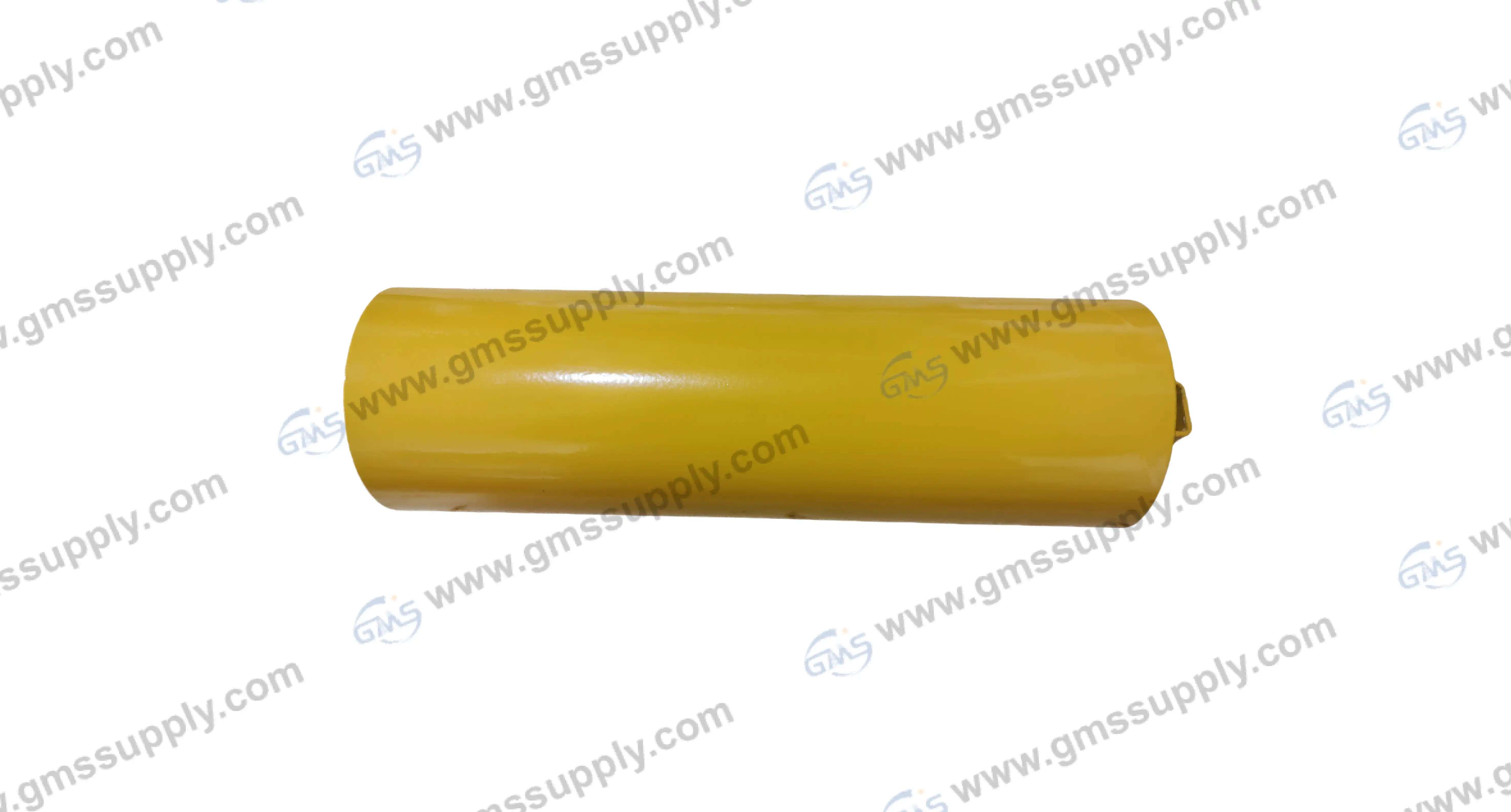
Understanding the 110563-1 Hydro Pneumatic Accumulator in Top Drive Systems
Hydraulic accumulators are the hidden heroes of drilling rig dependability, but many procurement professionals don't realize how important they are until their equipment breaks down and they need to be replaced right away.
Core Working Principle and Energy Storage Mechanism
A simple but effective idea behind this hydro pneumatic device is that a bendable bladder filled with charged nitrogen gas separates from the hydraulic fluid inside a pressure tank. The hydraulic oil squeezes the gas tank, saving potential energy, when the system pressure rises. When there are sudden increases in demand or when a pump stops working, the compressed nitrogen expands very quickly, releasing stored fluid back into the circuit within milliseconds. This ability to respond instantly makes the difference between a system that works well and one that fails catastrophically.
The 110563-1 Accumulator Hydro Pneumatic 4in is designed to solve the special problems that top drive hydraulic packages face when they are used in oil and gas drills. The 4-inch port standard lets a lot of fluid move, which is enough to meet the high flow needs of hydraulic package 121403 used in TDS top drive setups. This part from GMS can be used instead of part number 110563-1 without any problems, as it has the same fitting size and performance.
Primary Functions That Protect Your Drilling Investment
Several mission-critical tasks are done by the collector at the same time. One of the most useful things it does is keep the pressure stable. When the drill string suddenly loads or changes directions quickly, the accumulator adds more hydraulic volume right away, keeping the pressure from dropping, which would lower the power output. The effect of supporting parts makes the whole hydraulic system last longer.
The ability to absorb shocks keeps sensitive parts safe from damaging pressure spikes. Hydraulic fluid can cause water hammer effects that are stronger than 10,000 PSI when control valves close quickly or when the drill bit hits hard formation changes. These short-lived pressure waves are absorbed by the accumulator's flexible gas cushion before they hurt the pumps, valves, or seals.
Thermal compensation solves a problem that all rig operators are familiar with: hydraulic fluid expands a lot when temperatures rise during long digging rounds. If enclosed systems didn't have a storage to handle this increase in volume, dangerous pressure would build up inside them. The device instantly adjusts to the increased volume of fluid, keeping safe working conditions even when the temperature changes.
The emergency power backup may play the most important role. If the main hydraulic pumps stop working because of mechanical issues or loss of power, the accumulator's stored energy lets workers safely lock the position of the drill string and avoid problems with the wellbore.
Advantages and Benefits of Using the 110563-1 Hydro Pneumatic Accumulator
There is constant pressure on drilling businesses to cut down on idle time while still meeting safety standards. Choosing the right accumulator has a direct effect on both goals, but not all units perform the same way in the field.
Superior Performance Characteristics for Demanding Applications
The 110563-1 Accumulator Hydro Pneumatic 4in design includes building features that take into account how difficult drilling conditions can be. Its design as a pressure tank can handle the cyclic loading patterns that are common in drilling operations, where hydraulic needs change all the time during each cycle. Hydraulic fluids that are widely used in top drive systems don't break down the material inside the bladder, so the gas barrier stays intact for longer between service times.
When the energy economy is improved, the pump runs for less time. The accumulator cuts down on electricity use and heat production by meeting high demand with stored energy instead of causing pumps to always work at full capacity. Contractors who run more than one drilling rig know that these efficiency gains add up to a lot across their fleet.
Operational Cost Advantages Through Reliability
When hydraulic systems work within safe pressure limits, maintenance costs go down. When pressure spikes are regularly lowered, parts like directional control valves, hydraulic motors, and seals wear out less quickly. Customers of GMS say that after adding quality accumulators to their systems, the related hydraulic parts don't need to be serviced as often.
Buying reliable battery technology is worth it because it keeps you from having to deal with downtime. If a drilling rig's hydraulics fail without warning, it can cost the owners anywhere from $50,000 to $200,000 per day in rig rates, crew costs, and contractual fines. Because it stops these kinds of breakdowns, the accumulator is one of the most valuable parts of the hydraulic package.
The ISO 9001 approval that backs up GMS accumulator production makes sure that quality control stays the same throughout the whole process. When managing spare parts inventory across various drilling sites, this level of standardization is very important. Procurement teams need to be sure that new units will work the same way no matter what production batch they come from.
Selecting the Right Hydro Pneumatic Accumulator for Your Top Drive System
Whether buying an accumulator fixes problems or makes them worse depends on how well it works with other equipment and how reliable the seller is. To make sure the total cost of ownership stays low, procurement managers must look at more than just the original price.
Critical Specification Considerations
The 110563-1 Accumulator Hydro Pneumatic 4in works with TDS-11 and TDS-9SA top drive types because it has the right port size, mounting setup, and volume capacity for the hydraulic package 121403. Trying to use different accumulator types without checking these factors could cause problems with installation or poor performance.
The system's working settings must match the pressure ratings. Most top-drive hydraulic systems work at pressures between 3,000 and 5,000 PSI, so they need accumulators that can handle constant use at these levels with enough safety limits. Setting the pre-charge pressure, which is usually between 80 and 90% of the minimum system pressure, has a big impact on how the accumulator responds and needs to be checked before installation.
Potential energy storage is directly related to volume capability. The 4-inch number means that the fluid volume is large enough to meet the power needs of drilling uses. Undersized accumulators run more often, which makes bladder tiredness worse, while oversized units cost more without providing the same level of benefit.
Supplier Evaluation Beyond Component Specifications
GMS has been working in the oil and gas drilling industry for more than ten years, so they know how important it is to fix hydraulic parts quickly. Because we keep a lot of inventory on hand, the 110563-1 accumulator (P/N: 11S01248) ships from stock, and lead times are measured in days instead of weeks. This keeps the rig from being down for long periods of time when unexpected failures happen.
The pledge to after-sales service goes beyond the initial deal. GMS keeps records like test results and proof of compliance, which helps customers who need to show where their tools came from for governmental audits or insurance purposes. This administrative help makes things easier for teams that are already in charge of handling complicated supply lines, like procurement and repair.
Installation, Operation, and Maintenance Guidelines for Maximum Performance
The dependability and service life of an accumulator are greatly affected by how well it is installed and maintained. Even better parts don't work as well when software methods make them less useful.
Installation Best Practices for Field Conditions
A pre-installation check should make sure that there was no damage during shipping and that the protected port caps are still in place. Most premature breakdowns of hydraulic parts are caused by contamination that is introduced during fitting. The direction of the mounting is important. Placing the fluid port downwards helps get rid of trapped air and stops gas from moving into the hydraulic circuit.
Before connecting the hydraulic lines, the pre-charge pressure needs to be checked. Technicians should only use dry nitrogen (never compressed air, which has oxygen and water in it) to change gas pressure according to the system's requirements. It is very important to follow the torque specs for port fittings exactly. If they are not tightened enough, leaks could happen, and if they are tightened too much, the sealing surfaces could be damaged, or stress could build up.
Operational Monitoring and Preventive Maintenance
During commissioning, workers should watch how the system responds during several full drilling rounds. They should look for changes in the pressure gauge that show the accumulator is working properly. Smooth changes in pressure during high-demand processes show that the accumulator is working well to boost pump output.
Checking the outside of the 110563-1 Accumulator Hydro Pneumatic 4in unit for fluid leaks around seals, making sure the attaching hardware stays tight, and checking the pre-charge pressure should all be part of regular inspections. The nitrogen charge naturally fades away over time due to microscopic permeation. Performance doesn't get worse because it's checked every year. GMS suggests writing down readings taken before the charge to get baseline data that shows a faster pressure drop, which means the bladder is getting worse.
Knowing about replacement signs keeps things from breaking down without warning. When hydraulic fluid is tainted with nitrogen bubbles, it means that the bladder has ruptured and needs to be replaced right away. Shorter system cycle times or longer pump runtimes are signs that the accumulator's capacity has been reduced. These signs should be looked into before a total failure stops activities.
Conclusion
The 110563-1 Accumulator Hydro Pneumatic 4in is more than just a simple hydraulic part; it's also important protection against the costly breakdowns and downtime that can happen in drilling systems that aren't properly secured. It protects the big investments that top drive drilling equipment represents by keeping the pressure stable, absorbing shocks, balancing out temperature changes, and having an emergency power backup. When procurement professionals put quality accumulators and source dependability first, their operations are set up for more uptime, lower upkeep costs, and better safety performance. GMS is ready to help reach these goals by providing high-quality parts, quick service, and the unique knowledge that comes from focusing on the oil and gas drilling industry.
FAQ
Q1: What distinguishes hydro pneumatic accumulators from other hydraulic energy storage methods?
When compared to weighted or spring-loaded designs, hydro pneumatic accumulators respond quickly and have a high energy density because they use compressed gas (nitrogen) that is split from hydraulic fluid by a tank or piston. Response times of milliseconds are achieved with this setup, which is necessary for drilling uses.
Q2: How does incorrect pre-charge pressure affect the 110563-1 accumulator performance?
A high pre-charge lowers the amount of fluid that can be used, which limits the amount of energy that can be stored. What happens to the 110563-1 Accumulator Hydro Pneumatic 4in's performance when the pre-charge pressure is wrong? If there isn't enough pre-charge, the bladder can touch the discharge port while it's working, which speeds up wear and could lead to bladder ejection failures. Setting the pressure correctly improves both efficiency and the life of the component.
Q3: What lead times should procurement teams expect when ordering the 110563-1 replacement?
The 110563-1 accumulator is kept in stock by GMS so that it can be shipped within days for urgent needs. Standard wait times range from being available right away to no more than four weeks, based on the size of the order and where it's going. This allows for both emergency replacements and planned maintenance plans.
Partner With GMS for Reliable 110563-1 Accumulator Hydro Pneumatic 4in Supply
Drilling activities can't handle problems with the supply chain or the quality of the parts. These worries are taken away by GMS's ISO 9001-certified production processes, large supplies, and quick technical support that is suited to the needs of oil and gas drilling. With over ten years of experience in the field, our 110563-1 Accumulator Hydro Pneumatic 4in gives your TDS-11 and TDS-9SA top drive systems the speed and stability they need. Our team has the technical knowledge and logistics skills to keep your drilling operations going easily, whether you need replacement units right away or want to build a long-term supply relationship with a qualified 110563-1 Accumulator Hydro Pneumatic 4in provider. You can email our experts at sales@gmssupply.com or visit gmssupply.com to talk about your specific hydraulic package needs, ask for full technical documentation, and find out how our flexible solutions can help you with your specific operating problems.
References
1. Johnson, M. R., & Stevens, P. L. (2019). Hydraulic Accumulator Technology for Drilling Applications. Society of Petroleum Engineers Technical Publication Series.
2. Anderson, K. T. (2020). Top Drive System Maintenance and Reliability Engineering. International Association of Drilling Contractors Press.
3. Williams, D. H., & Chang, S. Y. (2018). Pressure Control Systems in Modern Drilling Operations. Journal of Petroleum Technology, Vol. 45, Issue 3, pp. 234-251.
4. Roberts, E. J. (2021). Hydraulic Component Selection for Oilfield Equipment. Energy Industry Publishers.
5. Martinez, C. A., & Thompson, R. W. (2017). Preventative Maintenance Protocols for Drilling Rig Hydraulic Systems. Drilling Engineering Association Technical Manual.
6. Patterson, G. L. (2022). Accumulator Performance Optimization in High-Pressure Hydraulic Circuits. Industrial Hydraulics Quarterly, Vol. 38, No. 2, pp. 112-128.
Learn about our latest products and discounts through SMS or email