- English
- French
- German
- Portuguese
- Spanish
- Russian
- Japanese
- Korean
- Arabic
- Greek
- German
- Turkish
- Italian
- Danish
- Romanian
- Indonesian
- Czech
- Afrikaans
- Swedish
- Polish
- Basque
- Catalan
- Esperanto
- Hindi
- Lao
- Albanian
- Amharic
- Armenian
- Azerbaijani
- Belarusian
- Bengali
- Bosnian
- Bulgarian
- Cebuano
- Chichewa
- Corsican
- Croatian
- Dutch
- Estonian
- Filipino
- Finnish
- Frisian
- Galician
- Georgian
- Gujarati
- Haitian
- Hausa
- Hawaiian
- Hebrew
- Hmong
- Hungarian
- Icelandic
- Igbo
- Javanese
- Kannada
- Kazakh
- Khmer
- Kurdish
- Kyrgyz
- Latin
- Latvian
- Lithuanian
- Luxembou..
- Macedonian
- Malagasy
- Malay
- Malayalam
- Maltese
- Maori
- Marathi
- Mongolian
- Burmese
- Nepali
- Norwegian
- Pashto
- Persian
- Punjabi
- Serbian
- Sesotho
- Sinhala
- Slovak
- Slovenian
- Somali
- Samoan
- Scots Gaelic
- Shona
- Sindhi
- Sundanese
- Swahili
- Tajik
- Tamil
- Telugu
- Thai
- Ukrainian
- Urdu
- Uzbek
- Vietnamese
- Welsh
- Xhosa
- Yiddish
- Yoruba
- Zulu
Lock Cylinder 920-11-0: Troubleshooting Lock Issues in Oilfield Top Drive Assemblies
If your oil and gas drilling operation has to deal with unplanned equipment downtime because of a broken locking device in your top drive assembly, it can have serious financial and operational effects. The Lock Cylinder 920-11-0 is an important part of Canrig top drive systems, especially types 8035, 8050, and 6027. It provides the secure fitting and locking support needed for safe oil and gas drilling operations. Knowing how to fix common Lock Cylinder 920-11-0 problems in these systems can mean the difference between hours of costly downtime and being able to keep working.
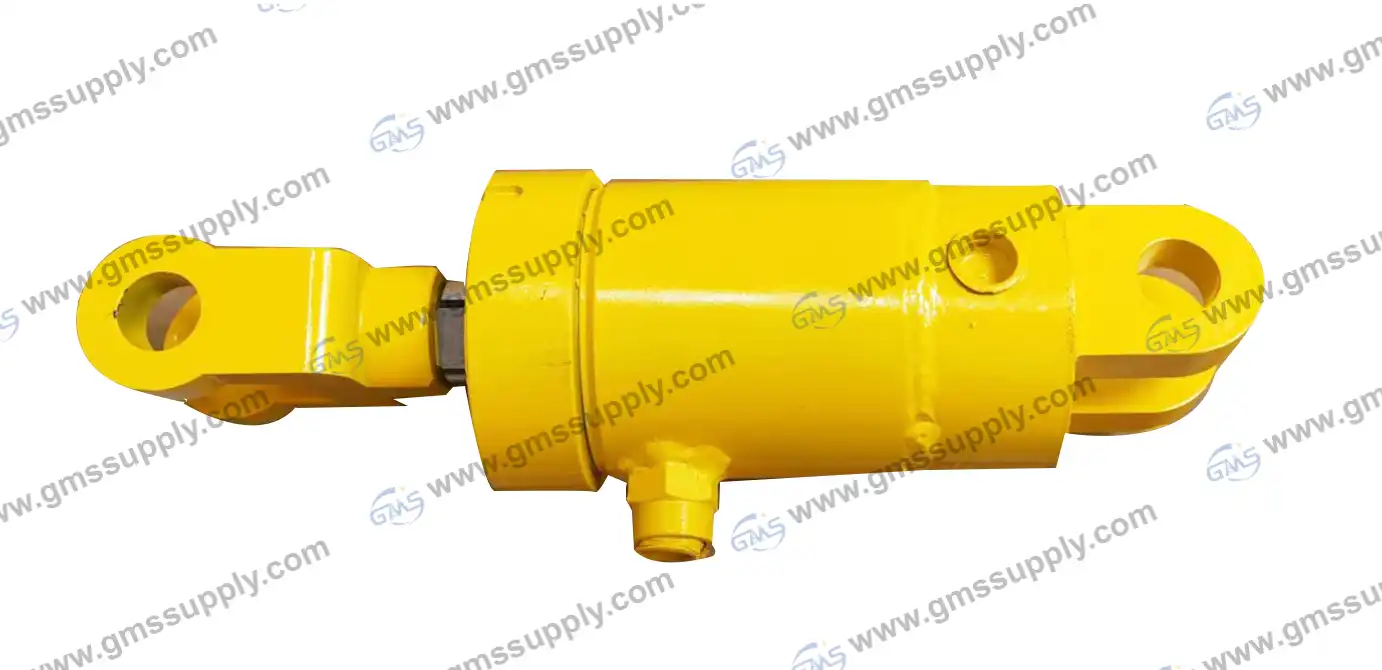
Understanding the Lock Cylinder 920-11-0 and Its Role in Top Drive Systems
It may seem like a small thing, but the Lock Cylinder 920-11-0 in your top drive assembly is very important for practical safety and equipment stability. During oil and gas drilling operations, where vibrations, changes in torque, and environmental pressures are constant threats to equipment integrity. The method used to build this part makes it especially good for use in oilfields. The cylinder was made to last in the harsh circumstances of oil and gas drilling, and it has to be able to handle not only mechanical stress, but also the chemical effects of drilling fluids, changes in temperature, and particulate contamination. The part works with the top drive's locking system to keep moving parts in their proper places. This stops parts from moving around by accident, which could affect the accuracy or safety of the oil and gas drilling. Being in an oilfield means dealing with mud and oil mist, temperature changes from very hot to very cold during operations, and the constant shaking that comes with rotating oil and gas drilling. The Lock Cylinder 920-11-0 solves these problems by using high-quality materials and a mechanical design that focuses on durability even when it's under constant operating stress. When procurement teams look for this part, they should make sure it works with their unique top drive type. The 920-11-0 number makes sure that the part fits correctly with Canrig 8035, 8050, and 6027 systems. The dimensions and mounting arrangements must match exactly with the assembly's current setup.
Common Lock Issues and Root Cause Analysis
Knowing why Lock Cylinder 920-11-0 in top drives break down helps repair teams come up with better ways to keep them from breaking and spot warning signs before they do. The harsh facts of oil and gas drilling lead to a number of failure trends that can be predicted, and in field settings, jamming is one of the most common problems that come up. Drilling mud makes small particles or trapped moisture get into the mechanism, and they cause too much friction for the cylinder to handle. Extreme temperatures make this problem worse because cold temperatures make lubricants thicker, while heat speeds up their breakdown and absorption. Corrosion looks different based on how it is exposed. External rust usually shows up as wear and tear on the surface caused by drilling fluids, while interior corrosion happens when moisture gets inside and the temperature changes. Both make it harder for the machine to work smoothly. When repair workers notice that the lock is harder to open, rust has usually already gone beyond damage at the surface. Material quality has a big effect on how reliable the Lock Cylinder 920-11-0 is. If it is made without proper quality standards, it might works the same at first, but it will quickly break down when put under constant working stress. Mechanical pressures are made worse by environmental factors. When work is done offshore, equipment is exposed to salty air that attacks metal parts very quickly. When the temperature changes from operating heat to ambient cooling, it causes cycles of expansion and contraction that weaken materials and loosen assemblies.
Step-by-Step Troubleshooting Guide for the Locking Mechanism
When there is a broken Lock Cylinder 920-11-0 in your top drive assembly, a methodical approach to diagnosis saves time and keeps you from having to replace parts that aren't needed. Start by writing down the exact symptoms like whether the problem came up all of a sudden or grew over time. Failure that happens all of a sudden is usually a sign of contamination or a broken part, while failure that happens slowly is usually a sign of wear or rust. Contamination can harden into layers that need to be removed mechanically with soft metal brushes so as not to damage delicate surfaces. After cleaning, use the right oil for the temperature range at which the oil and gas drilling tools will be used. Many early problems are caused by not enough lubrication or using the wrong kind of oil. Check the Lock Cylinder 920-11-0's mechanical action when it's not attached to anything. If it moves smoothly and doesn't get stuck, that means the internal system is still good. If there is resistance or stopping, it means that there is damage inside that needs to be replaced instead of being fixed. Before finishing the fitting, make sure that all the parts fit together correctly. If the cylinder is fitted correctly, it should move freely through its whole range of motion. Using preventative measures greatly increases the life of components. Set regular review times based on operating hours instead of calendar time, since the intensity of operations changes a lot. Include the locking cylinder in routine maintenance checks, looking for early signs of contamination, corrosion, or wear. Protect closing devices from direct drilling fluid spray as much as possible. Make sure there are escape paths so that water doesn't build up around the gears. Corrosive residues can be removed before they do any harm by cleaning regularly during maintenance periods.
Procurement and Support: Sourcing Quality Replacement Components
To get solid replacement Lock Cylinder 920-11-0 for your top drive assembly, you need to know both the technical specs and what the seller can do. Choosing an approved source has a direct effect on how well something works and how much it costs to maintain over time. ISO 9001 approval means that quality management is organized, but it doesn't mean that the product is suitable on its own. When you buy parts that meet foreign standards, you can be sure that the metals they are made of, their dimensions, and their performance levels meet practical needs. Thinking about lead times has a big effect on business planning. Suppliers who keep a lot of goods on hand can meet urgent substitute needs, which cuts down on downtime caused by unexpected failures. Oil and gas drilling activities can't wait for long amounts of time for important parts. Check to see if potential providers keep parts that are often needed in stock or only make them when someone buys them. The difference makes it harder for you to keep operations running smoothly. The ability to provide help sets apart exceptional providers from vendors of common parts. Suppliers with a lot of experience in the oilfield business can help repair teams choose the best Lock Cylinder 920-11-0 and install them more efficiently by giving them more information than just the product specs. Beyond unit cost, pricing structures should be looked at closely. Bulk buying can save a lot of money for owners who are in charge of multiple oil and gas drilling units or who are planning regular overhauls. Look at the total cost of the purchase, which should include shipping, handling, and any technical support. Suppliers who care about their customers' success see deals not as one-time sales but as the start of long-term relationships. Installation instructions and care suggestions help users get the most out of the parts' lifespan.
Conclusion
To keep the locking mechanisms in oilfield top drive assemblies working well, you need to know how they usually break and build relationships with trusted component providers. The Lock Cylinder 920-11-0 is an important part of the Canrig 8035, 8050, and 6027 systems. Its right function affects the safety and speed of operations. Methods for systematic troubleshooting fix most problems in the field by cleaning, lubricating, and reinstalling things correctly. Preventive maintenance plans greatly increase the life of equipment. By choosing providers who combine high-quality manufacturing with quick technical support, you can be sure that you will have access to reliable replacement Lock Cylinder 920-11-0 when repair is needed. This will allow oil and gas drilling activities to continue with little downtime.
FAQ
1. What are the recommended repair times for locking cylinders in top drive assemblies?
Maintenance times are mostly determined by how busy the system is and the weather outside. When cutting continuously, check the locking mechanisms every 500 hours to see if they are dirty, if they work smoothly, and if there are any signs of rust. Cleaning, checking the lubrication, and trying the machine's functionality should all be part of regular maintenance so that problems are caught early and fixed before they become breakdowns.
2. Can problems with locking cylinders put people in danger while drilling?
When locking devices in top drive assemblies don't work right, it really raises safety issues. When cylinders don't properly hold parts, operating vibration and torque loads can move or disengage important parts without meaning to. This deal causes problems with the accuracy of the digging and could put people in danger. If you notice any problems with the locking mechanism, like more resistance, not fully engaging, or strange sounds, you should fix them right away and maybe even shut down the system until it works properly again.
3. Why does the quality of a part affect the cost of doing business?
Quality parts lower the total cost of ownership, even if they cost more to buy at first. Reliable cylinders that are made to the right specs last longer, which lowers the number of times they need to be replaced and the work costs that come with that. They also cut down on unexpected downtime, which is the most expensive part of drilling operations. This makes choosing a provider an important economic choice.
Partner with GMS for Reliable Lock Cylinder 920-11-0 Supply
GMS is ready to help your drilling activities by providing you with high-quality replacement parts that are designed to work in the field. We've been a Lock Cylinder 920-11-0 seller to the oil and gas field for more than ten years, so we know how hard it is to run your business. Our ISO 9001-certified production methods guarantee consistent quality and our large inventory allows for quick fulfillment to keep your downtime to a minimum. We have strict quality control throughout the whole production process, making sure that the Locks Cylinder 920-11-0 we send to Canrig are exactly what they need to work with their systems. You can talk to our team at sales@gmssupply.com about your unique needs, get full specifications, or place an order. We want your business to be successful, so we offer reliable goods, quick service, and low prices that cut down on your overall maintenance costs.
References
1. American Petroleum Institute. (2019). Recommended Practices for Top Drive Systems in Drilling Operations. API Publishing Services.
2. Craft, B.C., & Hawkins, M.F. (2015). Applied Petroleum Reservoir Engineering (3rd ed.). Prentice Hall.
3. Darling, T. (2013). Well Logging and Formation Evaluation. Gulf Professional Publishing.
4. Rabia, H. (2017). Oilwell Drilling Engineering: Principles and Practice. Graham & Trotman Limited.
5. Society of Petroleum Engineers. (2018). Drilling Equipment Reliability and Maintenance Standards. SPE Technical Publications.
6. Wilson, G.R. (2016). Advanced Drilling and Well Technology. Society of Petroleum Engineers Press.
Learn about our latest products and discounts through SMS or email