- English
- French
- German
- Portuguese
- Spanish
- Russian
- Japanese
- Korean
- Arabic
- Greek
- German
- Turkish
- Italian
- Danish
- Romanian
- Indonesian
- Czech
- Afrikaans
- Swedish
- Polish
- Basque
- Catalan
- Esperanto
- Hindi
- Lao
- Albanian
- Amharic
- Armenian
- Azerbaijani
- Belarusian
- Bengali
- Bosnian
- Bulgarian
- Cebuano
- Chichewa
- Corsican
- Croatian
- Dutch
- Estonian
- Filipino
- Finnish
- Frisian
- Galician
- Georgian
- Gujarati
- Haitian
- Hausa
- Hawaiian
- Hebrew
- Hmong
- Hungarian
- Icelandic
- Igbo
- Javanese
- Kannada
- Kazakh
- Khmer
- Kurdish
- Kyrgyz
- Latin
- Latvian
- Lithuanian
- Luxembou..
- Macedonian
- Malagasy
- Malay
- Malayalam
- Maltese
- Maori
- Marathi
- Mongolian
- Burmese
- Nepali
- Norwegian
- Pashto
- Persian
- Punjabi
- Serbian
- Sesotho
- Sinhala
- Slovak
- Slovenian
- Somali
- Samoan
- Scots Gaelic
- Shona
- Sindhi
- Sundanese
- Swahili
- Tajik
- Tamil
- Telugu
- Thai
- Ukrainian
- Urdu
- Uzbek
- Vietnamese
- Welsh
- Xhosa
- Yiddish
- Yoruba
- Zulu
Oil Drilling TOOL JOINT 112848 Wear Issues and Solutions
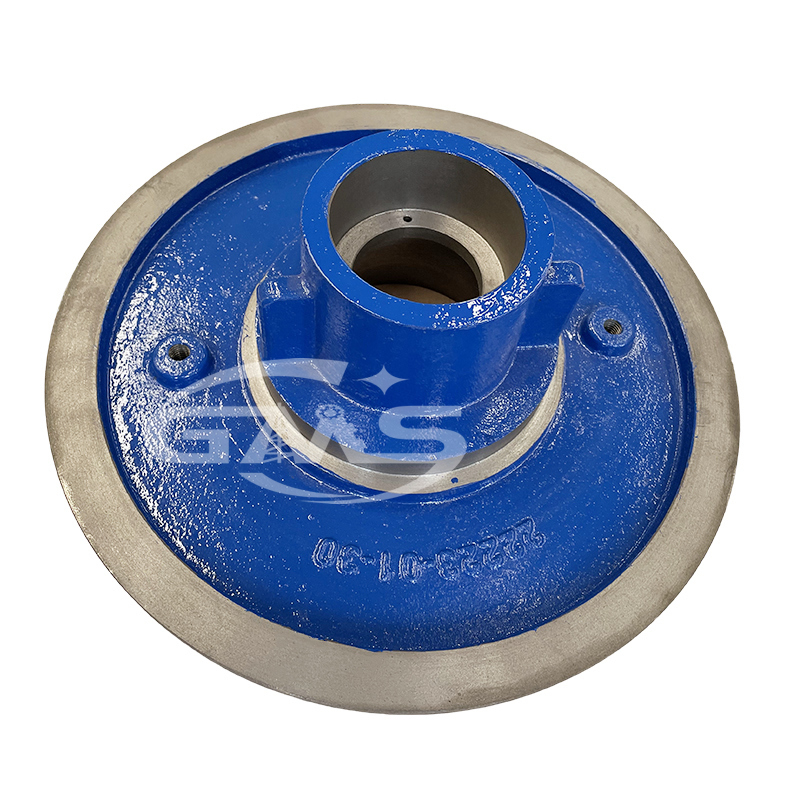
The TOOL JOINT 112848 is an important mechanical retention part in top drive systems that are made for the TDS-11SA and TDS-9SA types. This special component keeps drill pipe connections from backing off accidentally during high-torque oil and gas drilling operations. It is essential in oil and gas drilling settings where connection integrity directly affects crew safety and working consistency.
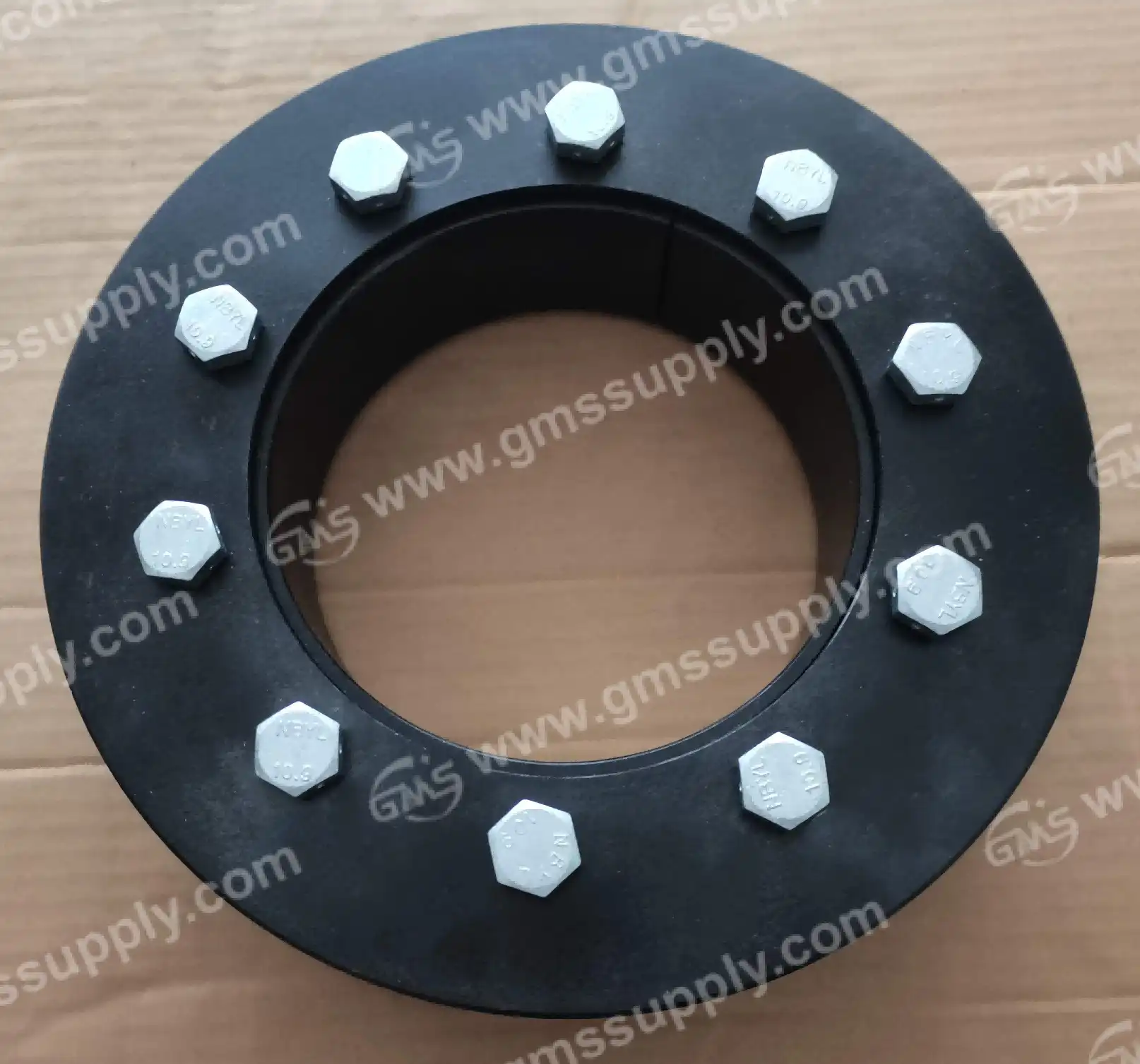
Understanding Tool Joint Lock Components and Common Wear Patterns
When drilling operation runs, the mechanical demands on the TOOL JOINT 112848 make problems that procurement managers and repair teams need to solve ahead. Knowing how this special part works and break down lets workers make smart choices about when to do repairs and when to replace them.
Every time they are used, tool joints in drilling systems are put under a lot of mechanical stress. The part is usually made of high-grade alloy steel that has been heat-treated to get the right amount of stiffness for strength and flexibility. This metal mix makes the lock strong enough to survive many times of engaging and disengaging while still staying the same size under load. When the drill string turns, it creates torsion forces that are added to the axial loads from the pipe string's weight and the lateral stresses from digging in different directions. When these forces work together, they make wear patterns that show up most often on interaction surfaces where metals touch.
The repetitive stress that comes with handling pipes causes wear that is caused by fatigue. The lock engages and disengages every time the top drive picks up or sets down pipe, which puts stress on important surfaces. Over hundreds of cycles, stress concentration points can start to form tiny cracks that can grow into damage that can't be seen and makes the lock less effective. Corrosive conditions make things more difficult, especially when drilling into rocks that are high in hydrogen sulfide or carbon dioxide. The protected surface treatments on tool joint locks can be damaged by these acidic agents. This can speed up the wear rate and, if not noticed, could lead to quick failure. When moisture and salt from drilling fluids mix, they make electrochemical cells that help rusting happen in places that are weak.
Diagnostic Methods for Early Wear Detection
When repair teams use checking methods, they can see how wear is progressing before it gets to dangerous levels. Early discovery turns possible failures into planned maintenance tasks, which keeps operations on schedule and avoids having to make expensive fixes in an emergency. Regular sight checks during pipe trips are the easiest way to keep an eye on the state of the TOOL JOINT 112848.
Discoloration on the surface usually means that the part is getting too hot from too much friction during contact, which could mean that it needs more lube or isn't lined up right. Edge rounding at contact areas is a sign of material loss that will finally stop the locking mechanism from working properly. Changes in size that can be seen with the naked eye are early signs of wear that need to be fixed right away. It should be changed before the next working cycle if the closed surfaces are clearly bent or if the part is loose when it's being put in.
When using accurate measuring tools to get accurate measurements, you can get numbers that show how the wear is going. When you compare standard measurements of new parts to measurements taken while the parts are in use, you can find out how fast they wear in your particular setting. This data-driven way makes it easier to replace things without having to guess what will be used. It also makes inventory management better by letting you know how these spare parts will be used and replaced ahead of time.
Maintenance Strategies That Extend Service Life
Proactive maintenance practices significantly extend TOOL JOINT 112848 service life while reducing the total cost of ownership. These strategies balance preventive actions with practical operational constraints inherent in drilling schedules. Proper lubrication dramatically reduces wear rates at engagement surfaces by minimizing direct metal-to-metal contact. High-performance thread compounds formulated for drilling applications provide both lubrication and corrosion protection. These specialized compounds must withstand the harsh thermal and chemical environments present in drilling operations while maintaining their protective properties throughout extended exposure.
Storage conditions between operational periods affect component condition, particularly in harsh field environments. Protecting components from moisture exposure prevents corrosion that would otherwise occur during idle periods. Simple measures like storing components in protective containers with desiccants or applying temporary corrosion inhibitors can substantially extend service intervals in coastal or high-humidity drilling locations.
Rotation schedules that distribute wear across multiple components prevent individual units from accumulating excessive wear while others remain underutilized. Maintaining adequate inventory allows this rotation strategy while ensuring spares remain available for emergency replacements. This approach optimizes total fleet utilization and provides more predictable replacement timing.
Sourcing Reliable Replacement Components
Procurement decisions for critical drilling components like the TOOL JOINT 112848 require careful evaluation of supplier capabilities beyond simple price comparisons. The total value delivered by a supplier encompasses product quality, delivery reliability, and technical support that extends throughout the component lifecycle. We at GMS have supported oil and gas drilling operations for over a decade, building expertise in top drive system components. Our ISO 9001 certification reflects our commitment to consistent quality across every production batch. Manufacturing process controls extending from raw material verification through final inspection ensure dimensional accuracy and material properties meet the demanding requirements of drilling applications.
Maintaining substantial inventory allows us to support urgent replacement needs with minimal lead times. When a critical component fails unexpectedly, rapid replacement minimizes costly downtime. Our stock availability means procurement teams can secure replacements quickly rather than waiting for custom manufacturing runs. This inventory commitment represents our understanding of how component availability directly impacts drilling operations economics.
Conclusion
Managing TOOL JOINT 112848 wear in oil drilling operations demands attention to material properties, operational stresses, and maintenance practices that collectively determine component service life. The TOOL JOINT 112848 plays an essential role in top-drive system reliability, making informed procurement and maintenance decisions critical to operational success. Systematic inspection protocols enable early wear detection, while proactive maintenance strategies extend service intervals and reduce total ownership costs. When replacement becomes necessary, partnering with experienced suppliers who maintain quality standards and inventory availability ensures minimal operational disruption. Building these supplier relationships creates long-term value through consistent component quality and responsive technical support that adapts to evolving operational demands.
FAQ
1. What material composition provides optimal wear resistance?
High-grade alloy steel with appropriate heat treatment delivers the best balance of hardness and toughness. The material must resist both abrasive wear from drilling fluid contamination and fatigue from cyclical loading.
2. How frequently should inspection occur during drilling operations?
Visual inspection during every pipe trip provides the minimum acceptable frequency. Operations in particularly abrasive formations or those experiencing unusual vibration may benefit from more frequent assessment.
3. Can worn components be restored through repair processes?
Component geometry and material properties make repair impractical in most cases. Replacement with new components represents the only approach that ensures reliable performance and maintains operational safety.
Partner with GMS for Dependable Tool Joint Lock Supply
GMS combines a decade of industry experience with ISO 9001-certified manufacturing to deliver reliable replacement components for critical drilling applications. Our extensive inventory of TOOL JOINT 112848 ensures rapid fulfillment when you need replacements quickly. As a trusted tool joint lock supplier, we understand that component availability directly impacts your operational continuity and bottom line. Our team stands ready to discuss your specific application requirements and recommend optimal maintenance practices based on real field experience. Reach out to our team at sales@gmssupply.com to discuss your TOOL JOINT 112848 needs, request detailed specifications, or place orders. We're committed to supporting your operations with responsive service and products that deliver measurable value.
References
1. American Petroleum Institute. (2019). Specification for Drill String Tool Joints. API Specification 7-2, Third Edition.
2. Johnson, M. & Roberts, K. (2021). Mechanical Wear Mechanisms in Rotary Drilling Equipment: Analysis and Prevention Strategies. Journal of Petroleum Engineering Technology, 43(2), 156-174.
3. National Association of Corrosion Engineers. (2020). Corrosion Management in Oil and Gas Drilling Operations. NACE International Publication 35120.
4. Peterson, R.L. (2018). Preventive Maintenance Protocols for Top Drive Systems in Oil Field Operations. Society of Petroleum Engineers Technical Manual Series, Volume 12.
5. Williams, D.F. & Chen, H. (2022). Material Science Applications in Drilling Equipment: Alloy Selection and Heat Treatment Optimization. International Journal of Industrial Metallurgy, 38(4), 289-307.
6. Zhang, Y., Thompson, A. & Martinez, J. (2020). Non-Destructive Testing Methods for Drilling Component Integrity Assessment. Oil and Gas Facilities Equipment Journal, 15(3), 78-95.
Learn about our latest products and discounts through SMS or email