- English
- French
- German
- Portuguese
- Spanish
- Russian
- Japanese
- Korean
- Arabic
- Greek
- German
- Turkish
- Italian
- Danish
- Romanian
- Indonesian
- Czech
- Afrikaans
- Swedish
- Polish
- Basque
- Catalan
- Esperanto
- Hindi
- Lao
- Albanian
- Amharic
- Armenian
- Azerbaijani
- Belarusian
- Bengali
- Bosnian
- Bulgarian
- Cebuano
- Chichewa
- Corsican
- Croatian
- Dutch
- Estonian
- Filipino
- Finnish
- Frisian
- Galician
- Georgian
- Gujarati
- Haitian
- Hausa
- Hawaiian
- Hebrew
- Hmong
- Hungarian
- Icelandic
- Igbo
- Javanese
- Kannada
- Kazakh
- Khmer
- Kurdish
- Kyrgyz
- Latin
- Latvian
- Lithuanian
- Luxembou..
- Macedonian
- Malagasy
- Malay
- Malayalam
- Maltese
- Maori
- Marathi
- Mongolian
- Burmese
- Nepali
- Norwegian
- Pashto
- Persian
- Punjabi
- Serbian
- Sesotho
- Sinhala
- Slovak
- Slovenian
- Somali
- Samoan
- Scots Gaelic
- Shona
- Sindhi
- Sundanese
- Swahili
- Tajik
- Tamil
- Telugu
- Thai
- Ukrainian
- Urdu
- Uzbek
- Vietnamese
- Welsh
- Xhosa
- Yiddish
- Yoruba
- Zulu
S05-1000-030 PISTON SEAL Installation Tips
Proper installation of the S05-1000-030 PISTON SEAL significantly determines hydraulic system reliability in top drive operations. This high-performance component maintains pressure integrity within the Canrig Top Drive system, preventing fluid leakage while ensuring smooth piston movement through the torque wrench assembly. Correct installation procedures, combined with quality materials, reduce unplanned maintenance events and extend operational uptime. Understanding the precise techniques protects your investment while maintaining consistent system performance throughout demanding oil and gas drilling cycles.
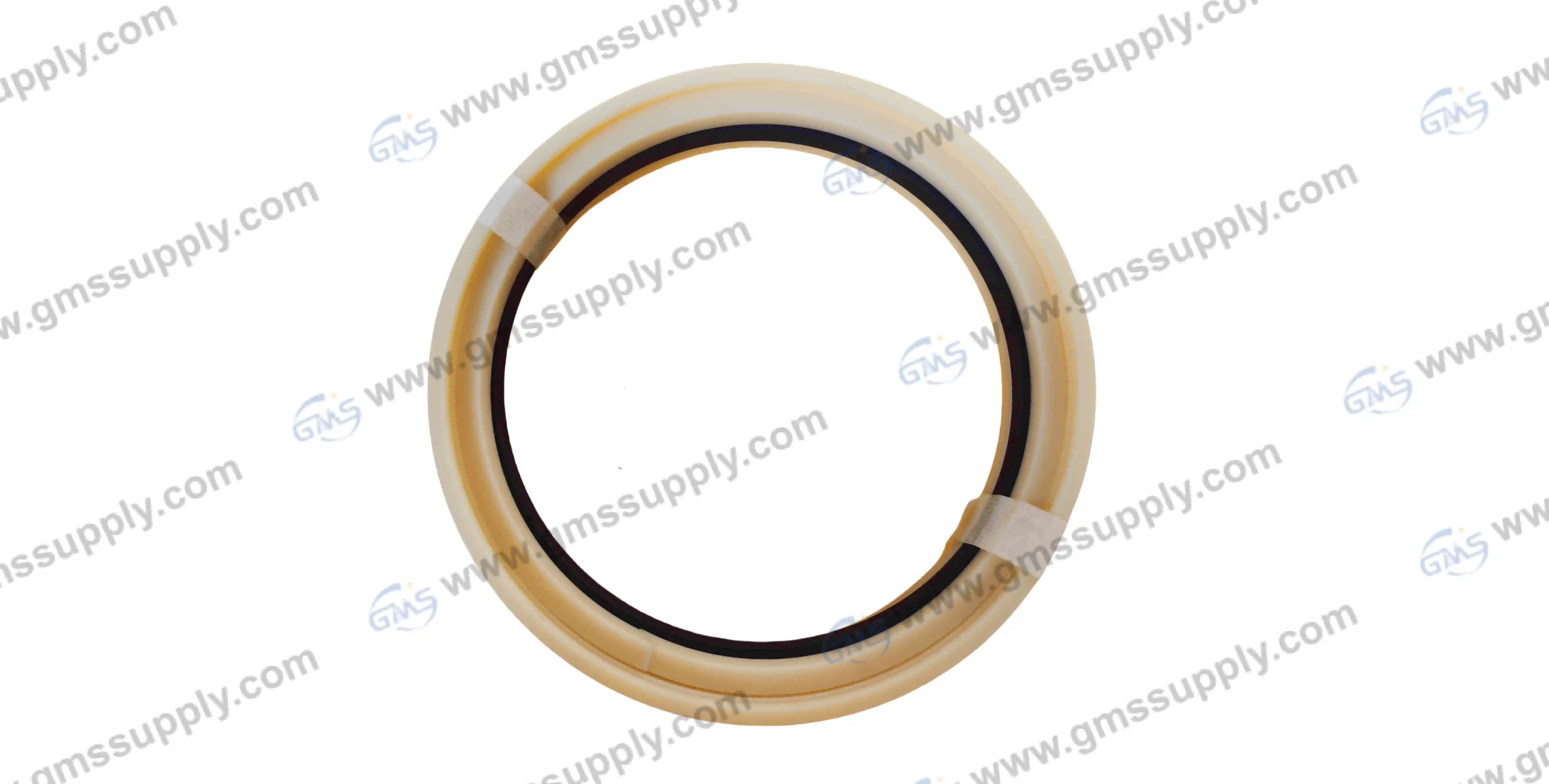
Understanding the S05-1000-030 Piston Seal and Its Function
The S05-1000-030 PISTON SEAL is an important barrier part in hydraulic cylinders that are used in all top drive systems. This seal keeps the hydraulic pressure steady by making a tight fit between the piston and the cylinder bore. This stops fluid from bypassing, which would lower the system's efficiency. This seal works in the torque wrench part of the Canrig Top Drive models 8050, 8035, and 1250. Keeping the pressure steady has a direct effect on how well the oil and gas drilling works and how quickly the equipment responds. Rod seals and piston seals work in hydraulic systems in different ways, but both are necessary to keep fluids inside. The piston seal moves with the piston and seals against the inside of the cylinder when the piston moves back and forth. As the hydraulic pressure rises, the seal material moves against the cylinder wall, making the seal stronger just when it's needed the most. The seal can adapt to different working conditions thanks to this dynamic reaction, and the touch stays strong throughout the whole stroke length. The S05-1000-030 PISTON SEAL design uses elements that are made to last in the harsh conditions of oil and gas drilling hydraulics. Pressure and temperature changes happen all the time in these systems, and they are exposed to mineral-based hydraulic fluids. The material of the seal, which is usually high-grade thermoplastic polyurethane, strikes the right mix between being flexible enough for initial fitting and rigid enough to keep its shape at pressures of up to several hundred bar. Knowing the most common ways things go wrong helps buying teams set the right check and replacement plans. The most common type of damage is mechanical wear, which happens slowly as the dynamic surface of the seal rubs against the cylinder tube over thousands of working cycles. Wear lines or surface coating that can be seen are signs that the service life is almost up, but performance usually starts to decline before these symptoms show up. Extrusion problems happen when too much pressure pushes seal material into the spaces between the piston and the cylinder. This process mostly affects systems with worn-out cylinders where the limits for size have widened beyond what was intended. When material is extruded, it makes immediate pathways for leaks to happen, and the seal can quickly fail completely, often without any notice other than slight drops in pressure or slower actuator response. Chemical breakdown happens when seals are exposed to fluids or contaminants that don't work well together. Mineral oil compatibility is part of the S05-1000-030 PISTON SEAL standard. However, fluid contamination with water, acids, or the wrong lubricant ingredients speeds up the breakdown of materials. If the surface starts to crack, swell, or thicken, it means that chemicals have been used to attack it. To stop this from happening again, the seal needs to be replaced right away, and the fluid system needs to be fixed. These types of failure have clear operating effects that go beyond the cost of replacing parts. Leaking hydraulic fluid pollutes oil and gas drilling areas, raises worries about environmental compliance, and lowers system efficiency because pumps have to work harder to keep pressure up. Unexpected seal failures cause equipment to stop working during important oil and gas drilling operations, which could delay projects and cost a lot in day rates. These operating risks can be greatly reduced by proactive seal management through proper installation and repair procedures.
Step-by-Step Installation Guide for S05-1000-030 Piston Seal
To put a seal correctly, you need to plan ahead and pay close attention to every detail throughout the process. By following standard procedures, you can be sure that the seal will seat properly and that fitting damage won't happen, which would shorten the service life. The process starts a long time before the seal is handled. Setting up the work S05-1000-030 PISTON SEAL area and checking each component set the stage for good results. When work areas are clean, dirt that causes seals to wear out too quickly is avoided. Set up a special place to put things together that is away from oil and gas drilling mud, metal bits, and dust in the air that can get stuck on seal surfaces. Get the tools you need, like soft-faced fitting sleeves, lint-free cloths for cleaning, oils that are safe for use in hydraulic systems, and the right lights for inspection. Before you break the box seals, make sure that the P/N S05-1000-030 fits your equipment. Thoroughly check the cylinder bore in good lighting to find any cutting, rust, or changes in the shape of the part. Feel the whole surface with your fingers. Any rough spots you find will hurt the seal while it's working. To get the end quality back to normal, small flaws on the surface may need to be honed or polished. Multiple measurements of the bore's diameter along its length are needed to make sure that the dimensions are correct, since out-of-round conditions cause uneven seal loads and faster wear. Check the piston gap where the seal goes and clean out any old seal material or dirt that has built up there. When installing, sharp edges at the corners of grooves are very dangerous. To get rid of cutting points, lightly break these edges with fine, rough cloth. Check the measurements of the groove's depth and width against the specs. If the production tolerances are too large, the seal won't be able to compress and energize properly. Use hydraulic fluid that is the same as the system working fluid to grease both the seal and the cylinder tube in a thin, even layer. This layer of oil lowers the friction during installation and keeps the seal from tearing as it moves through small spaces. If they aren't specifically allowed, don't use petroleum gels or greases. Lubricants that don't work well with seals can cause them to swell or break down. Before you place the seal, make sure it is facing the right way. The profile has guiding features that must face the pressure side. The S05-1000-030 PISTON SEAL shape has a certain lip form that only works well when it is oriented correctly. When you install something backwards, you make leaky paths right away that can't be fixed by system pressure. Carefully stretch the seal just enough to clear the piston's width. Do not stretch it too far, as this will forever change the shape of the material. Cut or nick the seal surface with tools that aren't smooth and don't have sharp edges. As you work the seal into its groove, make sure it fits all the way around the outside without turning or rolling. When the pressure drops during tests, spiral leak tracks made by twisted seals can be seen. Before the final assembly, look at the fitted seal from every angle you can reach. The seal should fit snugly in its groove, with no holes or parts sticking out. Rotate the piston slowly while keeping an eye on the seal. It should stay in its groove and not move with the piston, which would mean that there isn't enough force or the right size. Carefully put the piston assembly into the cylinder, keeping an eye out for any edge catching or seal rolling. It's better for resistance to feel smooth and build over time than jerky or tight. Too much fitting force could mean that there are misalignment or measurement issues that need to be looked into before moving forward. Instead of adding full system pressure right away, test the pressure on a graduated plan. Starting at 25% of working pressure lets fitting mistakes be found before they do major damage to the seal. Gradually raise the pressure while checking for leaks from the outside and correcting actuator movement. Hold full pressure for a few minutes while you check all the seal surfaces. Any visible fluid leaking means there were problems during installation that need to be taken apart and fixed.
Maintenance Tips to Extend the Life of Your Piston Seals
Regular S05-1000-030 PISTON SEAL maintenance practices greatly S05-1000-030 PISTON SEAL increase the service life of seals and let you know early on when problems are starting to appear. Setting up regular check times that work with the hours that the equipment is used lets you fix small problems before they become system failures. Methods of maintenance strike a balance between thoroughness and working efficiency, cutting down on unneeded downtime and ensuring stable performance. During regular maintenance, do eye checks on hydraulic cylinders to look for any signs of seal weepage, such as fluid traces on the outside. Even small amounts of dampness around rod or piston seals should be looked into because initial leaking usually happens before seals break down quickly. Record findings with dated photos to keep track of rates of development. This will help you decide if replacement is needed right away or if more monitoring is needed. Keep an eye on system performance traits that show changes in the seal state. If the actuator responds more slowly, the pressure changes during steady-state operation, or the hydraulic pump cycles more often, this could mean that there are internal leaks past the seals. When new seals are used to take baseline measures of performance, they can be used as comparison points to find signs of slow degradation that operators might miss if they don't know what's wrong. Particle pollution in hydraulic fluid during planned changes shows how seals wear down over time. High levels of rubber particles or unusually high levels of wear metals are signs that the seal or cylinder is breaking down. By comparing these amounts of contamination over a number of fluid changes, you can see that the wear rates are increasing and need to be fixed. To keep pollution from getting past seals, the outside of the cylinder needs to be cleaned regularly. Cleansers that are safe for seal materials should be used instead of strong acids that can damage elastomers when they come in touch with them. Mild cleaning solutions can get rid of oil and gas drilling mud and operating grime without harming the materials. Maintain the right hydraulic fluid specs for the whole life of the machine. When compared to new, clean fluid, fluid breakdown products and contamination speed up seal wear by a lot. Instead of stretching service times, stick to the manufacturer-recommended change intervals. The extra cost of fluid is very small compared to the costs of replacing seals and having the machine shut down during oil and gas drilling operations. The lubricating qualities of hydraulic fluid have a direct effect on the friction and heat production in seals. Working with fluids that don't meet the minimum density requirements raises the temperatures of the seals, which speeds up the aging process. On the other hand, too much fluid makes starting friction higher, which can damage seals during cold starts. Make sure that the viscosity of the fluid stays within the limits set for all expected working temperatures in oil and gas drilling environments. Set how often seals need to be replaced based on working hours, the date, and the results of condition tracking. It is recommended that even seals that don't show much wear be replaced during big overhauls. This is because replacing seals during planned maintenance costs a lot less than replacing them when something goes wrong during oil and gas drilling operations. Plan to change seals during planned maintenance times so that oil and gas drilling operations don't have to be stopped. Keeping the right number of replacement seals on hand makes sure that new parts are ready right away when tests show that wear is getting close to the service limit. Stock management should take seal shelf life into account. Even seals that haven't been used break down over time as materials age, so they usually need to be replaced after 5 to 7 years of storage, even if they haven't been installed.If you need to change a cover, use the time to check and measure the parts of the cylinder and piston. Write down the hole width, groove size, and quality of the surface finish. These measures keep track of how fast equipment wears out and help figure out what repairs will be needed in the future. By comparing readings taken at different times during seal changes, you can see if increased wear patterns are appearing that S05-1000-030 PISTON SEAL might mean the equipment needs to be fixed or replaced for continued oil and gas drilling use.
Comparing S05-1000-030 Piston Seal with Alternative Sealing Solutions
When procurement workers are looking at S05-1000-030 PISTON SEAL options, it's helpful to know how different seal designs work in different operational situations. The S05-1000-030 PISTON SEAL has certain features that make it ideal for top drive hydraulic uses. Other designs may work better for other types of equipment, though. Beyond the initial cost of the parts, the total cost of ownership is affected by the choice of material, the amount of pressure it can handle, and how it is installed. When compared to regular rubber materials, thermoplastic polyurethane seals like the S05-1000-030 PISTON SEAL have better abrasion protection and mechanical strength. This group of materials keeps its shape over a wide range of temperatures and is better at resisting expansion under high pressure. The material's elastic memory lets it keep its binding power even when grooves wear down or its size changes due to heat expansion. Mineral-based hydraulic fluids are often used in oil and gas drilling activities, and polyurethane plugs have been shown to work with them. This fit makes sure that the seal works the same way every time, without growing or shrinking, which would make it less effective. The substance is better at resisting breakdown than some elastomers, which increases its service life in systems where moisture contamination happens sometimes even when filters are used. The S05-1000-030 PISTON SEAL design has a shape that is best for reciprocating motion under the pressure that is common in top drive torque wrench systems for oil and gas drilling. The design keeps the touch pressure on the cylinder tube without needing too much compression, which would make wear and friction worse. This balance keeps the pressure from leaking across the seal contact while letting the actuator move smoothly. The way a seal works in dynamic situations is very different from how it works in steady situations. The S05-1000-030 PISTON SEAL design works with the frequent direction changes and quick changes in pressure that happen during oil and gas drilling operations. Seal lips stay properly energized throughout the pressure cycle. This stops leakage during changes, which can happen with seal designs that aren't as sensitive. The S05-1000-030 PISTON SEAL configuration makes fitting easy and doesn't need any special tools besides basic hydraulic repair tools. This useful benefit makes upkeep faster and easier than with more complicated seal designs. The ability to install in the field means that seals can be changed at oil and gas drilling operating sites instead of having to be sent back to specialized repair centers. Another useful thing to think about when planning a buying is whether or not parts can be swapped out. Standardized sizes on high-quality new seals make sure they fit correctly in current equipment without needing to be changed. This compatibility takes away any worries about differences in size that might happen with lower-quality options, keeping upkeep plans safe from unplanned problems in oil and gas drilling operations.
Procurement Insights: Sourcing Quality S05-1000-030 Piston Seals
Strategic buying practices make sure that the quality of the S05-1000-030 PISTON SEAL always stays the same while lowering costs and improving the dependability of delivery. By building relationships with qualified suppliers, you can get access to technical help tools and products. Approaches to procurement should consider a number of factors, such as reasonable prices, reliable delivery, and the ability to provide help after the sale. Quality certificates show that sellers use organized methods to make sure that product standards are always met. Getting ISO 9001 approval shows that you are dedicated to quality management systems that include planning, making, and inspecting products. These frames keep differences between production lots to a minimum, making sure that every seal meets the requirements no matter when it was made or what lot it is from. Production experience in the oil and gas drilling equipment industry shows that you know how to meet the tough needs of top drive users. Suppliers to this market know how important it is for parts to work well together and keep quality rules in place. Their tech teams can help with application support, like answering questions about installation or fixing problems with speed in oil and gas drilling settings. The supply of inventory has a direct effect on the time it takes to buy things and the freedom of operations. When suppliers keep popular parts like the S05-1000-030 PISTON SEAL in stock, they can deliver quickly for both expected replacements and emergencies in oil and gas drilling. Making sure there is enough stock before building ties with suppliers avoids delays in the future when parts are needed quickly. When you buy in bulk, you can get better prices and make sure you have enough inventory for planned repair plans in oil and gas drilling. Setting yearly number agreements can help keep prices stable and protect against changes in the market. When investing in goods, it's important to think about how much space it will take up and how long it will last. This way, you can avoid overstocking, which wastes money on items that don't sell quickly for oil and gas drilling needs. To handle lead times, you need to know how well your suppliers can produce and ship goods. Standard things that are shipped from stock get to you a lot faster than special-order versions that need to be made to order. By planning purchases around these dates, you can escape practical delays and the high costs of fast shipping for oil and gas drilling operations. The specialized skills of a supplier add worth beyond just supplying parts. Having access to technical support can help with installation problems, efficiency issues, and choosing the best seal for a given oil and gas drilling application. When suppliers have experienced S05-1000-030 PISTON SEAL technical teams, they are more than just component sellers; they become partners in business reliability for oil and gas drilling operations.GMS has been specializing in top drive components for more than ten years, gaining a lot of practical knowledge while serving oil and gas businesses around the world. This base of knowledge helps customers all the way through the lifecycle of a component, from the initial design to field service support. Our ISO 9001 certification makes sure that every S05-1000-030 PISTON SEAL (P/N C80350093) meets strict quality standards that are the same as the performance requirements of the original equipment for oil and gas drilling. Our inventory management systems make sure that we always have important sealing parts on hand, so we can quickly meet both planned repair needs and urgent operating ones in oil and gas drilling. When lead times are short, you can keep your tools running while you wait for parts to arrive. These benefits directly help procurement goals of keeping repair costs low while increasing machine uptime for oil and gas drilling operations.
Conclusion
Installing and taking care of the S05-1000-030 PISTON SEAL correctly has a direct effect on how well top drive hydraulic systems work. Understanding how seals work, following regular installation methods, and doing proactive maintenance can greatly increase the service life of a component and keep it from breaking down when it's not supposed to. Because of the materials used and the way they were designed, this seal is especially good for the tough conditions that exist in oil and gas drilling. Strategic methods to buying parts make sure that the quality of the parts stays the same and that they are available when repair plans call for replacement. Operations teams keep the equipment reliable for effective oil and gas drilling programs by working with experienced suppliers who offer technical help along with high-quality products.
FAQ
1. How often should piston seals be replaced under normal operating conditions?
Replacement times aren't just based on the calendar; they're also based on working hours, pressure cycles, and the level of upkeep. If the hydraulic fluid is dirty, the temperature is too high, or the cylinders' dimensions wear down, the seal's life can be greatly reduced. Condition tracking through visual inspection and performance observation is a more reliable way to decide when to replace things than sticking to a set plan. When seals are replaced as part of planned maintenance, unexpected breakdowns don't cause unplanned downtime.
2. What installation errors most commonly cause premature seal failure?
When seals are installed in the wrong direction, they immediately start to leak because the directional lip shape only works when it faces pressure sources. Damage to the seal during placement from sharp edges or too much bending weakens the material before it even starts to work. When seals go through small gaps during the first assembly, they tear because they aren't oiled well enough. Abrasive particles get stuck in seal surfaces from dirty work areas and wear them down quickly once the process starts. By following the right steps, these failure modes can be avoided, and seals can last as long as they were designed to.
Partner with GMS for Reliable S05-1000-030 PISTON SEAL Supply
GMS is a reliable company that can provide you with S05-1000-030 PISTON SEAL supply. They have more than ten years of experience in providing top drive components for tough oil and gas uses. Our ISO 9001-certified quality systems make sure that every seal (P/N C80350093) performs to the standards set by the original equipment while keeping the level of dependability that your operations need. We keep a lot of inventory on hand so that we can serve quickly. Most of the time, orders ship from stock instead of having to wait for longer production lead times. Our expert team offers full application support to help you choose the best seals, fix problems during fitting, and get the most out of your parts' service lives. When you buy in bulk, competitive pricing cuts down on your overall costs without lowering the quality standards that are necessary for practical dependability. You can talk to our team at sales@gmssupply.com about your sealing needs, get more information, or place an order for quick delivery. We're committed to keeping your tools running by providing quick service and reliable parts.
References
1. American Society of Mechanical Engineers. Hydraulic Seal Design and Application Standards for Industrial Equipment. ASME Technical Publications, 2021.
2. Industrial Fluid Power Institute. Best Practices for Hydraulic System Maintenance in Oil Field Operations. Fluid Power Technical Journal, 2022.
3. Peterson, Robert M. Sealing Technology Handbook: Material Selection and Installation Procedures. Industrial Press, 2020.
4. Society of Tribologists and Lubrication Engineers. Friction and Wear Characteristics of Polyurethane Hydraulic Seals. STLE Annual Conference Proceedings, 2023.
5. Thompson, Jennifer L. and Martinez, Carlos R. Procurement Strategies for Critical Maintenance Components in Energy Sector Operations. Supply Chain Management Review, 2021.
6. World Oil Drilling Equipment Standards Committee. Component Reliability Guidelines for Top Drive Systems. International Drilling Technology Standards, 2022.
Learn about our latest products and discounts through SMS or email