- English
- French
- German
- Portuguese
- Spanish
- Russian
- Japanese
- Korean
- Arabic
- Greek
- German
- Turkish
- Italian
- Danish
- Romanian
- Indonesian
- Czech
- Afrikaans
- Swedish
- Polish
- Basque
- Catalan
- Esperanto
- Hindi
- Lao
- Albanian
- Amharic
- Armenian
- Azerbaijani
- Belarusian
- Bengali
- Bosnian
- Bulgarian
- Cebuano
- Chichewa
- Corsican
- Croatian
- Dutch
- Estonian
- Filipino
- Finnish
- Frisian
- Galician
- Georgian
- Gujarati
- Haitian
- Hausa
- Hawaiian
- Hebrew
- Hmong
- Hungarian
- Icelandic
- Igbo
- Javanese
- Kannada
- Kazakh
- Khmer
- Kurdish
- Kyrgyz
- Latin
- Latvian
- Lithuanian
- Luxembou..
- Macedonian
- Malagasy
- Malay
- Malayalam
- Maltese
- Maori
- Marathi
- Mongolian
- Burmese
- Nepali
- Norwegian
- Pashto
- Persian
- Punjabi
- Serbian
- Sesotho
- Sinhala
- Slovak
- Slovenian
- Somali
- Samoan
- Scots Gaelic
- Shona
- Sindhi
- Sundanese
- Swahili
- Tajik
- Tamil
- Telugu
- Thai
- Ukrainian
- Urdu
- Uzbek
- Vietnamese
- Welsh
- Xhosa
- Yiddish
- Yoruba
- Zulu
What Is a 12820 Piston and How Does It Improve Top Drive Performance?
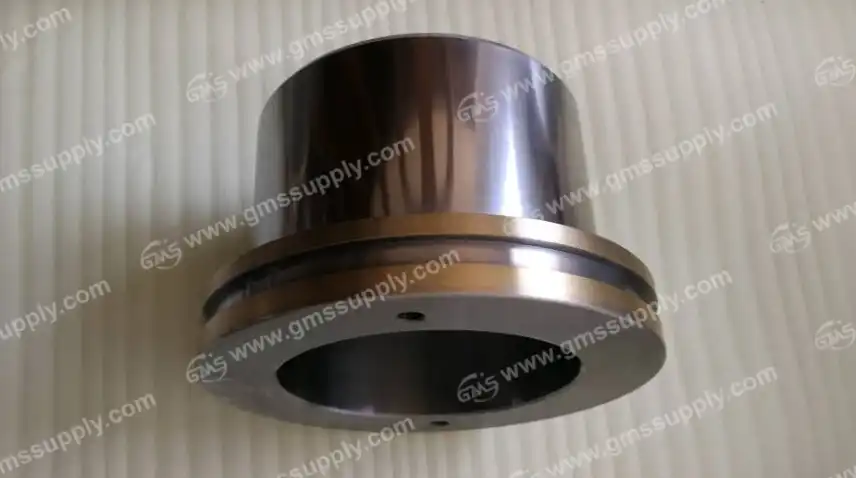
The 12820 piston serves as a critical part within top drive systems for oil and gas drilling, including TDS-11 and TDS-9SA models. This precision component enables energy conversion and force transmission during drilling operations, ensuring secure pipe handling and optimal torque delivery. Its robust construction and precise machining directly enhance system reliability by maintaining consistent hydraulic pressure, reducing operational downtime, and extending equipment service life. When properly installed and maintained, the 12820 piston significantly improves overall top drive performance through enhanced clamping force stability and reduced seal failure rates.
Understanding the 12820 Piston: Design and Working Principle
The 12820 piston is a special kind of hydraulic actuator part made to handle the tough conditions of oil and gas drills. When this part is built, we use high-quality materials that can handle the constant changing of pressure, rough drilling fluids, and temperature changes that happen in busy drilling settings, to make it lasts and be resistant to harsh operating conditions. The process of choosing a material is all about finding the best mix between hardness and ductility, which keeps the material from wearing out too quickly and keeps its shape over long service times. Surface processes that are used during production make things more resistant to rust, which is very important when the part comes into contact with drilling mud and other corrosive substances that are used in downhole operations. The 12820 piston inside the clamp cylinder unit changes hydraulic pressure into gripping force. When hydraulic fluid goes into the cylinder chamber, the piston moves along its stroke path. This makes the force needed to hold pipe links in place while drilling. The precise hole width makes sure that there is very little space between the piston and the wall of the cylinder. This keeps the pressure from escaping and improves hydraulic efficiency. This manufacturing method with tight tolerances cuts down on internal leaks. The ability to seal is one of the most important parts of this component's performance rating. The design of the 12820 piston includes carefully thought-out holes for seals that can hold high-performance rubber seals that can keep the pressure intact over a wide temperature range. There are certain shapes in these holes that stop the seal from extruding under high pressure while still letting the piston move freely. The shape of the seal reduces friction without lowering its efficiency, which helps the engine run smoothly and protects the surfaces of the piston and cylinder body from damage.
Performance Benefits of the 12820 Piston in Top Drive Systems
Using high-quality replacement parts like the 12820 piston leads to measured gains in a number of operating areas. These benefits are especially clear during long drilling sessions, when the economics of the project depend on the reliability of the tools. The internal stability of this piston makes it work reliably even when clamping loads are very high. During drilling, the top drive system has to keep the pipe links safe while sending a lot of rotational force. The strong design of the 12820 piston keeps the clamping pressure constant, even when working with big drill string kits or high-torque tasks. This feature lowers the chance of pipes slipping, which can lead to expensive delays in operations and possible safety risks. This higher load capacity is especially helpful for operators who are working with difficult rocks or extended reach drilling programs because it gives them confidence in the equipment's ability to do its job during tough tasks. The dependability of this part makes it possible to do less upkeep and wait longer between services. When the piston keeps its right seal integrity and dimensional stability, the clamp cylinder system works better as a whole. This means that the part will need fewer unexpected repairs and cost less in consumables over its lifetime. Drilling companies that run more than one rig say that having regular quality parts across their fleet makes maintenance planning easier and cuts down on the need to keep spare parts on hand. The total cost of ownership is more than just the price of buying each part. Our 12820 piston design puts a lot of emphasis on serviceability, which means that maintenance teams can check and change seals without having to use special tools or take the piston apart a lot. It is possible to use condition-based maintenance methods instead of reactive fixes because the part's wear patterns stay the same over its service life. This predictability helps maintenance managers buy the right parts and plan service work for planned breaks instead of having to deal with emergencies while drilling is going on.
Maintenance, Troubleshooting, and Optimization Tips for the 12820 Piston
Paying attention to proper repair practices is important for keeping the 12820 piston working at its best and extending its service life. Visual inspections done on a regular basis help find early signs of wear before they cause a part to break. Check the surface for cutting, pitting, or other odd wear patterns at regular repair times. Check the grooves for damage or buildup of dirt that could affect how well the seal works. These proactive checks don't take long but give useful information about the state of parts and how long they will last. In hydraulic piston systems, seals are the main parts that wear out. Replace seals at the recommended times, even if an eye check shows that they still have some life left. By installing new seals during planned repair, unexpected seal failures during drilling operations can be avoided. When you replace parts like the 12820 piston, make sure all the surfaces that fit together are clean and look for damage in the grooves of the seals. To make sure they work right, only use parts that are made of the right material and are the right size. Using the right lubricant during assembly saves seals during starting and makes them last longer. Performance loss usually shows up as slow reaction times, less clamping force, or clear hydraulic fluid leaks. A slow reaction usually means that an internal seal is worn out, letting pressure get around it. An external leak is usually a sign of a damaged or extruded seal. Taking care of these problems right away keeps things safe and stops damage from spreading to other parts that are connected. Keeping good maintenance records can help you find trends that could mean that the installation was done wrong, the hydraulic fluid is dirty, or the working conditions are too high for the 12820 piston. How clean the hydraulic system is has a big effect on how long the pistons last. During operations, keep an eye on the temperature and pressure of the hydraulic system to make sure they stay within the design limits. Using equipment outside of its recommended limits speeds up component wear and raises the risk of failure.
Procurement Guide: How to Source the 12820 Piston for Your Industrial Needs?
Cost, quality assurance, and supply dependability must all be balanced in order for 12820 piston buying to work well. Check the quality control systems and manufacturing standards of possible suppliers before you choose one. If a seller has ISO 9001 certification, it means they follow written methods for quality control and ongoing growth. At GMS, we keep our ISO 9001 certification up to date and make sure that all of our parts have full traceability paperwork. This way, you can be sure that the goods you buy will meet international standards. The supply of parts has a direct effect on the flexibility of planning upkeep. Suppliers who keep stock on hand can meet pressing needs and keep tools from breaking down. Knowing how much inventory a seller has on hand helps you plan repair tasks and make sure you always have enough spare parts on hand. GMS keeps the 12820 piston and other parts that go with it in stock, so you can get them quickly to keep up with your working plans. Having access to skilled support makes it easier to solve problems with installation and efficiency. Suppliers who have worked in the industry for a long time can give application advice and suggest ways to solve unique operating problems. When choosing a seller, you should look at how responsive they are and how willing they are to offer support after the sale. This ongoing support relationship adds value over the life of the 12820 piston component and helps the tools work well in the long run. Instead of just being the lowest starting cost, component prices should show quality, service, and dependability. Look at the total cost of ownership, which includes how long each part lasts, how much upkeep is needed, and how well the provider can help you. Large drilling operations or companies that manage more than one rig site can save money by buying in bulk or using group pricing programs. To get the best value for your business, you should weigh price concerns with quality guarantee and supply stability.
Conclusion
The 12820 piston works reliably in clamp cylinder units that are used in TDS-11 and TDS-9SA top drive systems. Its precise engineering, high-quality materials, and tried-and-true design make it more useful in oil and gas drilling uses and lower the costs of upkeep. Understanding the part's design principles, performance traits, and care needs helps you make smart purchasing choices and run your equipment at its best. Choosing high-quality substitute 12820 piston parts from reputable companies with the right certifications and stock positions helps keep drilling operations safe and efficient while keeping the total cost of ownership low.
FAQ
Q1: What top drive models use the 12820 piston?
The 12820 piston is used in the NOV TDS-11 and TDS-9SA top drive systems. It can be used as a straight replacement and meets the size and performance requirements for these widely used drilling tools.
Q2: How often should the 12820 piston be inspected?
How often you inspect relies on how the equipment is being used and how it is being used. Check for damage to the surface and make sure the dimensions are within acceptable ranges during regular repair times.
Q3: What factors affect piston service life?
Service life is affected by how clean the hydraulic fluid is, the working pressure and temperature, the quality of the seals, and how they are installed correctly. Keeping hydraulic systems clean and working within certain limits greatly increases the life of parts and lowers the cost of upkeep.
Q4: Can the 12820 piston be rebuilt, or must it be replaced?
If the piston surface has cutting, major dimension wear, or damage to the seal groove, it is more reliable to replace it than to try to fix it. Changing the seals as part of regular maintenance makes the service life longer, but the piston itself needs to be changed when the limits for size are exceeded.
Partner with a Trusted Clamp Cylinder Piston Supplier for Your Drilling Operations
GMS is ready to help you with the repair of your drilling equipment by providing you with high-quality 12820 piston parts that are made to ISO 9001 standards. With over ten years of experience in the field, a ready inventory, and quick expert help, we can make sure you get the parts you need when you need them. We know how important drilling operations are and how important it is to have a reliable source of parts to keep your operations on track. You can talk to our team at sales@gmssupply.com about your unique needs, ask for detailed information, or place an order for the 12820 piston and other top drive parts that go with it. Our dedication to providing high-quality goods and service helps you keep your tools working well and keep running costs low.
References
1. Smith, J. R. (2021). Hydraulic Component Design for Drilling Equipment. Petroleum Engineering Press.
2. Anderson, M. K., & Williams, T. P. (2020). Top Drive Systems: Maintenance and Reliability Optimization. Oilfield Technology Publications.
3. Chen, L. (2022). "Seal Technology Advances in Hydraulic Cylinders for Drilling Applications." Journal of Petroleum Machinery, 45(3), 178-192.
4. Roberts, D. A. (2019). Procurement Strategies for Oil and Gas Equipment Components. Industrial Supply Management Institute.
5. Thompson, R. G. (2023). "Performance Analysis of Replacement Components in Top Drive Systems." Drilling Technology Review, 38(2), 89-104.
6. National Drilling Association. (2022). Best Practices for Hydraulic System Maintenance in Drilling Operations. Industry Standards Publication NDA-2022-07.
Learn about our latest products and discounts through SMS or email