- English
- French
- German
- Portuguese
- Spanish
- Russian
- Japanese
- Korean
- Arabic
- Greek
- German
- Turkish
- Italian
- Danish
- Romanian
- Indonesian
- Czech
- Afrikaans
- Swedish
- Polish
- Basque
- Catalan
- Esperanto
- Hindi
- Lao
- Albanian
- Amharic
- Armenian
- Azerbaijani
- Belarusian
- Bengali
- Bosnian
- Bulgarian
- Cebuano
- Chichewa
- Corsican
- Croatian
- Dutch
- Estonian
- Filipino
- Finnish
- Frisian
- Galician
- Georgian
- Gujarati
- Haitian
- Hausa
- Hawaiian
- Hebrew
- Hmong
- Hungarian
- Icelandic
- Igbo
- Javanese
- Kannada
- Kazakh
- Khmer
- Kurdish
- Kyrgyz
- Latin
- Latvian
- Lithuanian
- Luxembou..
- Macedonian
- Malagasy
- Malay
- Malayalam
- Maltese
- Maori
- Marathi
- Mongolian
- Burmese
- Nepali
- Norwegian
- Pashto
- Persian
- Punjabi
- Serbian
- Sesotho
- Sinhala
- Slovak
- Slovenian
- Somali
- Samoan
- Scots Gaelic
- Shona
- Sindhi
- Sundanese
- Swahili
- Tajik
- Tamil
- Telugu
- Thai
- Ukrainian
- Urdu
- Uzbek
- Vietnamese
- Welsh
- Xhosa
- Yiddish
- Yoruba
- Zulu
Why Choose a Shear Pump-MISSION Type for Drilling?
Selecting the right equipment for drilling operations is about more than meeting immediate technical requirements—it's about securing long-term reliability, minimizing operational costs, and partnering with suppliers who understand the urgency of your needs. The Shear Pump - MISSION Type stands out as a proven solution for oil and gas drilling operations because it addresses critical challenges that procurement managers face daily: inconsistent fluid properties, costly additive waste, and equipment downtime that directly impacts project schedules. This specialized centrifugal pump system delivers exceptional shearing performance, transforming how drilling fluids are prepared and maintained. When you choose the right shear pump, you're investing in operational efficiency and supply chain stability that keep your rigs productive.

Understanding the Operating Principle of the MISSION Type Shear Pump
The Shear Pump - MISSION Type works on a precision-engineered rotating concept that is perfect for processing drilling fluid. At its heart, this system uses a shearing impeller that spins at about 2,200 RPM inside a specially made case to produce shear rates that are often higher than 20,000 reciprocal seconds. This amount of kinetic energy instantly hydrates bentonite clays and polymers, which stops the formation of "fish eyes," which are those annoying globs that don't contain water and clog shaker screens and weaken the integrity of boreholes.
When drilling fluid comes in through the inlet ports and hits the shear plate right away, the operating process starts. The fluid faces strong shearing forces as it moves through the teeth of the quickly moving shear plate. The recirculation feature of this design is what makes it so good: about half of the fluid is drawn through four nozzle scoops and shot back through 44 precision nozzles, right up against the shear plate and the flow of new fluid. This makes a secondary cutting action that makes sure all the additions are thoroughly mixed and fully hydrated.
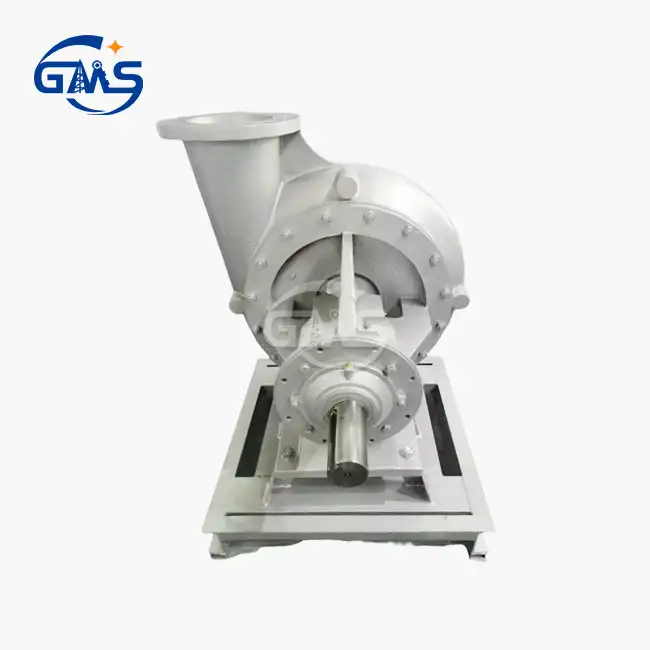
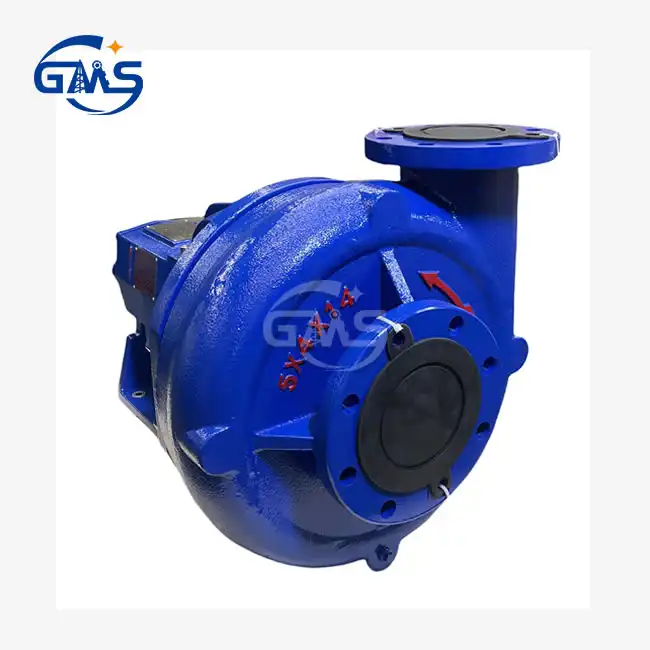
The pump system is made to handle the roughness of weighted drilling muds. It has a shear impeller, a case, a frame, a stuffing box, a shaft, a V-belt, an electric motor, and a motor base. The impeller and housing of the centrifugal pump are made of long-lasting alloys that can handle fluids with a high viscosity while still maintaining the precise dimensions needed for shearing efficiency. The mechanical seal configuration, which usually includes strong Tungsten Carbide parts, prevents any leakage, even in harsh pressure and temperature conditions that are common in oil drilling sites. The system comes in different sizes and shapes, like the 6x5x11 size with a cutting blade. Depending on the motor size, which is usually between 55kW and 75kW, it can handle flow rates from 500 to 1200 gallons per minute.
Advantages of MISSION Type Shear Pumps in Drilling Applications
For drilling jobs to go smoothly, the tools need to give regular results while keeping costs low. The Shear Pump - MISSION Type (P/N: GMS-JQB) meets these needs by giving you a number of benefits that can be measured and have a direct effect on your bottom line.
One of the most important perks is that chemicals work more efficiently. By making the bentonite and polymer mix and hydrate better, this system can cut the amount of bentonite used by up to 30% and the amount of polymer used by 15% to 20% compared to traditional mixing methods. When you think about how expensive drilling fluid additives cost, these savings add up very quickly over the course of a drilling program. Because the pump can instantly give full fluid properties, you don't waste expensive materials on ones that aren't fully hydrated.
Another important benefit is that operations are reliable even in tough digging circumstances. The building of the system puts longevity first, with parts that are made to last against wear from gritty solids in drilling muds. The rotary pump body can handle the wear and tear of sand and barite, so it keeps working well for long periods of time. This means less maintenance needs to be done and fewer replacement parts need to be kept on hand, both of which procurement managers know are important for keeping total cost of ownership low.
When rig day rates get high, how well you use your time is important. To get the desired fluid rheology, traditional mixing hoppers and low-shear circulation devices need a lot of time. The 6X5X11 size cuts mixing times by a huge amount, which lets drilling teams quickly make high-performance water- or oil-based muds. This "mud on demand" feature is very helpful when changing the mud weight or drilling through formations that need specific fluid properties. Less time spent mixing directly leads to more time spent drilling, which improves the total costs of the project.
Paying attention to the energy economy is also important. Even tho the system has fairly fast impellers, it is designed to use the least amount of power possible for the amount of shearing work it does. The motor size is just right for the hydraulic needs, so there is no wasted energy that can happen with pumps that are too big or too small. This efficiency is even more important as operations get bigger and as environmental reporting requirements become a bigger part of buying decisions.
Comparing MISSION Type Shear Pumps with Other Industrial Pump Solutions
When procurement teams are looking at different options for moving fluids for drilling operations, knowing how different pump technologies work in the field helps them make smart choices. When compared to other options that are often used in oil and gas, the Shear Pump - MISSION Type stands out.
Because they can handle fluids that are heavy on solids, progressive cavity pumps have generally been used to move fluids in digging. These positive displacement pumps, on the other hand, don't do much cutting. They move the fluid, but they don't change its qualities or make extra hydration better. When exposed to rough drilling muds, the rotor and stator wear out pretty quickly, needing to be replaced often. This adds to the cost of operations and the need for more parts inventory. Although the Shear Pump - MISSION Type does both fluid movement and intense mixing and hydration work at the same time, it really does combine two functions into one unit.
Gear pumps and lobe pumps both have predictable flow characteristics, but they both have the same limits when it comes to shearing. The small gaps inside them and the way they are mechanically set up don't produce strong shear forces. When viscosity adjusters or filtration control agents need to be thoroughly mixed into drilling fluids, these types of pumps just can't provide the mechanical energy needed for full hydration. They are also easily worn down by abrasives, especially in muds with a lot of barite or other bearing materials. Because precision-machined gears or lobes are expensive, replacing them often is not a good idea from a business point of view.
Normal centrifugal pumps that don't have any special shearing features can move drilling fluids around, but they don't have the right geometry between the impeller and the shear plate to create high shear rates. A normal centrifugal pump impeller changes the speed and pressure of fluid, but it doesn't make the strong turbulence and jet impact that the MISSION design does. You might get the fluid moving, but you won't get the most out of the additives or get rid of the hydration issues that cause screen blindness and filtering problems.
Through purpose-built tech, the Shear Pump - MISSION Type fills in these performance gaps. Its shearing system changes the fluid instead of just moving it, which fixes issues at their source instead of making workers make up for them later. The system can handle different viscosities, from thin cement slurries to thick drilling muds. This gives it more operational flexibility than rigid positive displacement designs. When buying something, people look at how much it costs up front and how much it will be worth over its lifetime. The Shear Pump - MISSION Type is a good choice because it saves chemicals, requires less upkeep, and can be used in a variety of ways.
Procurement Considerations for MISSION Type Shear Pumps
When choosing the right drilling fluid equipment, it's important to look at more than just the technical specs and unit price of each supplier. As a buying professional in charge of keeping drilling operations running, you know that the dependability of your suppliers has a direct effect on the consistency of your operations.
Lead time and the availability of goods are two of the most important things to look for in a seller. Unexpected breakdowns of drilling equipment during active campaigns cost a lot of money every day. GMS keeps a strategic inventory of the Shear Pump - MISSION Type, and stock items are usually delivered within a week. This level of responsiveness helps with both planned maintenance and replacements that need to be made right away. Based on more than ten years of experience in the field, this inventory position shows how we know that delays in the supply chain can affect your business.
Quality assurance gives you peace of mind that the tools you buy will work as expected when you put them to use in harsh field circumstances. The with a shearing impeller is certified by ISO 9001, which means it meets quality management standards that are known all over the world. This certification shows that the manufacturing process is controlled in a planned way, from choosing the materials to testing them at the end, so that the final product is the same every time. When you choose parts that meet strict quality standards, you lower the chance that they will break down early, which could stop operations and hurt your relationships with suppliers and other important people in your business.
Technical help and service after the sale are what set suppliers who just sell tools apart from partners who care about the success of your business. Sometimes, complicated equipment needs application advice, help with fixing, or more information about the specifications. Our engineering team responds quickly to technical questions about construction needs, working conditions, or connecting to solid control systems that are already in place. This makes it very helpful when you need to find equipment for more than one rig package or make sure that all of the drilling fleet follows the same specs.
Being clear about prices and being able to change them as needed are important when managing project budgets and costs. We set our prices so that they can be used for both one-off purchases and large orders from drilling contractors who need to equip many rigs. Our business method takes into account that the times you buy things depend on the status of projects and the lifecycles of capital equipment. We work to make sure that our supply options fit your budget and time frame, whether you need a replacement right away or are planning to buy several units for a new drilling program.
Cross-referencing part numbers makes it easier to find what you need and cuts down on mistakes in the procurement process. The GMS-JQB part number for our Shear Pump - MISSION Type version makes it easy to specify in purchase orders and servicing records. When technical teams and buying departments use the same terminology, there is less chance that the wrong parts will be bought or that questions about compatibility will come up during installation.
Real-World Applications and Case Studies in Drilling
Knowing how the Shear Pump - MISSION Type works in real drilling situations is more useful than just knowing its technical specs. Oil and gas drilling contractors have operational experience that shows the real-world benefits that lead to measurable improvements.
When making water-based drilling fluids, polymer hydration was always a problem for drilling operations in the Permian Basin. Traditional ways of mixing left behind partially hydrated polymer particles that blocked shaker screens, lowering the effective screen area and letting valuable solids that had been drilled stay in the active system longer than wanted. The drilling contractor said that fluid properties and screen performance got better right away after adding the Shear Pump - MISSION Type to their solid control setup. When polymers were added, the full yield was reached in minutes instead of taking longer to reach. The lessening of screen blindness lowered the number of screen changes needed and increased the efficiency of solids removal, which led to better hole cleaning and lower dilution needs.
Offshore drilling activities in the Gulf of Mexico put a high value on reliable equipment because broken equipment on platform rigs can be hard to fix and cost a lot of money. A drilling firm chose the Shear Pump - MISSION Type because it is well-built and has been used before to handle high-density muds with barite weighting material. During a long drilling operation that included multiple wells, the pump system kept working normally with only minor maintenance. When compared to previous installations, the mechanical seal configuration was the most reliable, as it didn't leak fluid. The contractor liked the operational continuity because it helped them stick to their tight drilling schedules and kept downtime for fluid handling equipment to a minimum.
To handle equal circulating density and get the best hole cleaning in extended-reach wellbores, directional drilling operations need precise control over the rheology of the drilling fluid. A specialist in directional drilling who was working in the Bakken formation used the shear pump to quickly change the qualities of the mud as the drilling parameters changed. The drilling team was better able to adapt to conditions downhole because they could quickly add viscosity adjusters and reach the desired fluid properties without having to mix the fluid for long periods of time. This response helped the drilling go more smoothly and cut down on the fluid-related problems that can make directed drilling harder in tough formations.
These examples of applications show how the Shear Pump - MISSION Type solves real-world problems instead of just meeting vague technology requirements. There are a lot of different drilling environments, but one thing that all of them have in common is that the pump can always process fluids in a way that drilling teams can count on. When the goal of procurement decisions is to support reliable drilling operations, performance that has been seen in the field is the most meaningful proof.
Conclusion
You have chosen a Shear Pump - MISSION Type for your drilling activities because you want to be as efficient as possible, keep costs low, and make sure the supply chain works well. This specialized equipment has clear benefits by better hydrating additives, using fewer chemicals, and consistently working well in rough drilling fluid environments that are rough. The Shear Pump - MISSION Type blends purpose-built engineering with manufacturing quality backed by ISO 9001 certification. This gives purchasing managers the peace of mind they need when choosing important equipment. The value offer is full when you work with a provider that keeps inventory, provides quick technical help, and knows how important it is for your business to meet your needs right away. Your drilling operations should have ties with suppliers and tools that help them be more productive instead of making things harder.
FAQ
1. How does the MISSION system improve polymer performance compared to standard mixing hoppers?
Standard mixing hoppers let dry additives in, but they don't have the mechanical energy to break down polymer particles and speed up the hydration process. The Shear Pump - MISSION Type's unique fan and nozzle design creates strong shearing forces. This creates turbulence that exposes polymer surfaces to water molecules and speeds up the hydration process. This makes the polymer produce 100% in minutes, getting rid of the "fish eyes" and partial hydration that waste expensive additives and make the fluid less stable.
2. What motor sizing is appropriate for typical drilling fluid applications?
The Shear Pump - MISSION Type usually works with motors that are between 55kW and 75kW, based on the flow rate needed and the qualities of the fluid. Motors near the top of this range are needed for fluids with a higher viscosity and higher flow needs. Our technical team can help you choose the right motor size for your application by looking at things like the expected fluid density, viscosity range, and processing capacity.
3. How often does the mechanical seal require replacement in drilling operations?
The working conditions, especially how rough the drilling fluid is and whether solids that haven't been checked get into the pump, affect how long the seal lasts. Mechanical seals in the Shear Pump - MISSION Type usually last longer if they are used correctly and checked regularly. We suggest keeping an eye out for any signs of leaking and making sure the seal flush arrangements stay in place. Our after-sales support team can give you advice on how often to check the seal and how to replace it so that it works as well as possible.
Partner with GMS for Your Shear Pump - MISSION Type Supplier Needs
Within the oil and gas business, GMS has more than ten years of experience helping with drilling, solid control systems, and fluid handling. We are more than just a supplier of the Shear Pump - MISSION Type (P/N: GMS-JQB); we are also a reliable partner who cares about the success of your business. We are a reliable provider that procurement managers can rely on. Our ISO 9001 certification ensures consistent quality, our large inventory lets us send stock items within one week, and our technical support team is quick to answer your application questions. Our flexible business approach works for both one-time purchases of tools and large-scale needs for drilling contractors who want to standardize the specs of their fleet. If you need a reliable Shear Pump - MISSION Type manufacturer who knows how to meet the strict needs of the drilling industry, please contact our team at sales@gmssupply.com to talk about your needs.
References
1. Bourgoyne, A.T., Millheim, K.K., Chenevert, M.E., and Young, F.S. "Applied Drilling Engineering." Society of Petroleum Engineers Textbook Series, Volume 2, 1991.
2. Caenn, R., Darley, H.C.H., and Gray, G.R. "Composition and Properties of Drilling and Completion Fluids." Gulf Professional Publishing, 7th Edition, 2017.
3. Mitchell, R.F. and Miska, S.Z. "Fundamentals of Drilling Engineering." Society of Petroleum Engineers Textbook Series, Volume 12, 2011.
4. American Petroleum Institute. "Specification for Drilling Fluid Processing Systems." API Standard 13C, 8th Edition, 2019.
5. Rehm, B., Schubert, J., Haghshenas, A., Paknejad, A.S., and Hughes, J. "Managed Pressure Drilling." Gulf Publishing Company, 2008.
6. Chilingarian, G.V. and Vorabutr, P. "Drilling and Drilling Fluids." Developments in Petroleum Science, Volume 11, Elsevier Science Publishers, 1983.
Learn about our latest products and discounts through SMS or email