- English
- French
- German
- Portuguese
- Spanish
- Russian
- Japanese
- Korean
- Arabic
- Greek
- German
- Turkish
- Italian
- Danish
- Romanian
- Indonesian
- Czech
- Afrikaans
- Swedish
- Polish
- Basque
- Catalan
- Esperanto
- Hindi
- Lao
- Albanian
- Amharic
- Armenian
- Azerbaijani
- Belarusian
- Bengali
- Bosnian
- Bulgarian
- Cebuano
- Chichewa
- Corsican
- Croatian
- Dutch
- Estonian
- Filipino
- Finnish
- Frisian
- Galician
- Georgian
- Gujarati
- Haitian
- Hausa
- Hawaiian
- Hebrew
- Hmong
- Hungarian
- Icelandic
- Igbo
- Javanese
- Kannada
- Kazakh
- Khmer
- Kurdish
- Kyrgyz
- Latin
- Latvian
- Lithuanian
- Luxembou..
- Macedonian
- Malagasy
- Malay
- Malayalam
- Maltese
- Maori
- Marathi
- Mongolian
- Burmese
- Nepali
- Norwegian
- Pashto
- Persian
- Punjabi
- Serbian
- Sesotho
- Sinhala
- Slovak
- Slovenian
- Somali
- Samoan
- Scots Gaelic
- Shona
- Sindhi
- Sundanese
- Swahili
- Tajik
- Tamil
- Telugu
- Thai
- Ukrainian
- Urdu
- Uzbek
- Vietnamese
- Welsh
- Xhosa
- Yiddish
- Yoruba
- Zulu
Why the Shaft 24028-33 Is Critical for Mission Magnum XP Pump 14X12X22 / 12x10x23 / 8x6x18 Longevity?
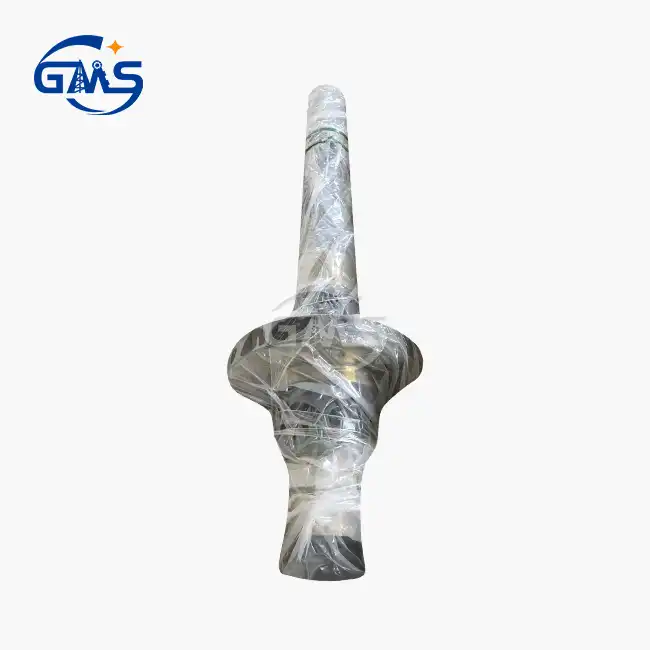
Heavy-duty centrifugal pumps are used in oil and gas drilling, so making sure they last as long as possible is not just a goal; it's a financial necessity. The Shaft 24028-33 - for MISSION MAGNUM XP PUMP 14X12X22/12x10x23/8x6x18 (P/N 24028-33, 656420007) is the most important part of the pump because it affects uptime, maintenance costs, and how well the business runs. This carefully designed rotating part transfers torque from your drive unit to the impeller. This makes sure that power is delivered smoothly, even when working with rough slurries and corrosive fluids. If the shaft on your Mission Magnum XP pump isn't built to high standards, it will wear out faster, seals will fail, and you'll have to pay a lot for unexpected downtime that stops your whole operation.

Understanding the Role of Shaft P/N 24028-33 in Mission Magnum XP Pump Performance
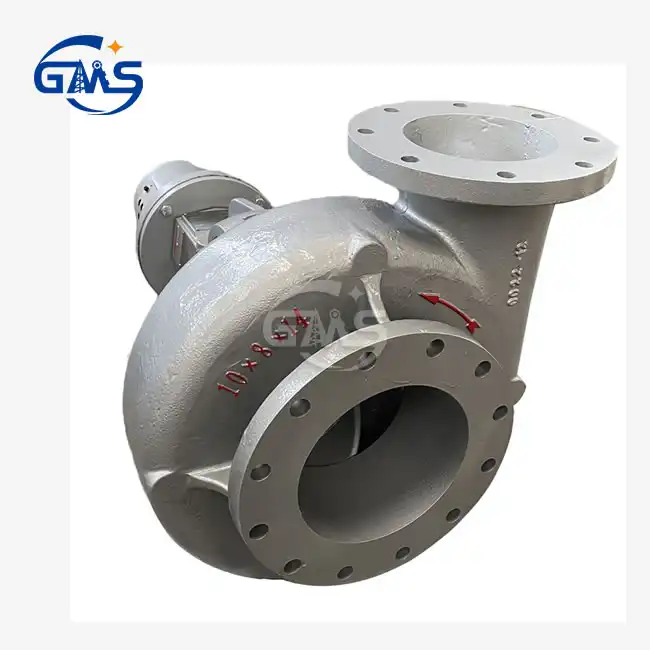
Mission Magnum XP series pumps, like the 14X12X22, 12x10x23, and 8x6x18 models, are made to move large amounts of thick slurries while taking up little space. When space is limited, but performance needs are high, like in oil drilling and industrial fluid handling, these pumps really shine. The shaft is the most important part of this system. It has to deal with constant spinning stress, radial loads from the impeller, and the harsh chemicals in the drilling fluids.
Power gearbox is the shaft's main job, but it's designed to do a lot more than just turn. It keeps concentricity, which is the exact alignment needed to keep mechanical seals in good shape and stop bearings from breaking down too soon. In situations where pumps run all the time at high RPMs, even small changes in the shaft's shape can lead to catastrophic seal leaks or bearing damage. The Shaft 24028-33 - for MISSION MAGNUM XP PUMP 14X12X22/12x10x23/8x6x18 is made of high-tensile alloy steel that has been heat-treated to make it as flexible and strong as possible. This choice of material lets the shaft bend a little under load without changing shape permanently, which is very important when pumping fluids with different densities.
The critical bearing plates on the shaft are precisely ground to get smooth surfaces, usually with a roughness level below 16 micro-inches. This smooth surface makes it easier for the shaft and sealing parts to slide against each other, which greatly increases the seal's life. When you think about how replacing a mechanical joint can stop work for hours and cost thousands of dollars in parts and labor, you can see right away how valuable a well-designed shaft is.
The Mission Magnum XP design has a flexible power frame layout that is one of its benefits. As long as the 14X12X22, 12x10x23, and 8x6x18 pump models have the same generation power frame, the Shaft 24028-33 - for MISSION MAGNUM XP PUMP XP Centrifugal pumps 14X12X22/12x10x23/8x6x18 will work with them. This interchangeability makes it easier for buying teams to keep track of their goods when they have to deal with different pump sizes. You can keep a single shaft SKU that works with different pump configurations. This makes stocking easier and saves you time when you need to buy something quickly.
The shaft has special threading that works with XP impellers. This makes sure that the attachment is secure and can handle the hydraulic forces that are created during operation. The shape of the thread keeps it from coming loose during reverse-flow shutdowns, which happen a lot in drilling operations where the flow direction can change quickly. Knowing about these compatibility details helps maintenance teams avoid making mistakes when they place orders, which can cause problems with fit and cause downtime to last longer.
Common Wear Patterns and Maintenance Strategies for Extended Shaft Life
The shaft is always under stress in industrial pumping environments. The rough bits in the drilling mud rub against the shaft like sandpaper, and the chemical corrosives eat away at the metal at the molecular level. By spotting early signs of wear, maintenance teams can plan replacements for planned shutdowns instead of having to deal with breakdowns on the spot.
The bearing journals, the seal contact area, and the impeller fixing threads are the three most common places on a shaft to wear out. Wear on the bearing journal shows up as more vibrations or strange noises during operation. Wear on the shaft journal is likely to blame if you find that your pump is running rougher than normal, even after replacing the bearings. Using micrometers to measure the diameters of the journals during routine maintenance shows wear that isn't causing problems yet, but will soon.
More leakage through mechanical seals shows signs of wear in the seal area, even when the seals are still fairly new. Scratches or grooves on the surface of the seal contact zone stop the seal face from closing properly, letting fluid escape. When replacing a seal, a visual check often shows damage to the shaft, which means the Shaft 24028-33 - for MISSION MAGNUM XP PUMP 14X12X22/XP Centrifugal pumps 12x10x23/8x6x18 needs to be replaced at the same time as the seal. If this is found during routine maintenance, it will not be necessary to buy and install new seals, only for them to fail right away because the shaft surfaces are damaged.
Corrosion or bad installation methods can damage the threads on the impeller mounting section. When cross-threaded impellers are installed, the threads can become deformed, which can make them hard to remove later and may mean that the shaft needs to be replaced. When installing an impeller, making sure to use the right anti-seize compounds and torque levels protects these threads and makes sure the impeller seats correctly.
Properly lubricating shaft bearings has a direct effect on how long the shaft lasts. Not lubricating enough leads to too much heat being produced, which can soften the shaft's heat-treated surfaces and make it less tough. When you use too much oil, it causes hydraulic resistance, which raises the temperature of the bearings and can push the oil past the seals and into the pumped fluid. Following maker lubrication plans and using specified lubricant types keeps the thermal and mechanical conditions the shaft was meant to work within.
Measuring the shaft's run-out should be part of regular inspections. If you measure at the seal face, the Total Indicated Run-out (TIR) should stay below 0.003 inches. If you go over this limit, the seals and bearings will last a lot less time. Checking the dial indicator during regular maintenance is a simple way to find problems with the straightness of the shaft before they become operational problems.
Selecting Quality Replacement Shafts: What Procurement Teams Need to Know
When it's time to replace your pump shaft, the choice between different suppliers and levels of quality will have long-lasting effects on how the pump works. Not all new shafts are the right size and made of the right material to make the Mission Magnum XP pump last a long time.
For high-quality replacement shafts, alloy steels like AISI 4140 or 4340 are used because they have the right amount of strength-to-weight ratio for centrifugal pump applications. These materials go through quench and temper heat treatments, which make the outside harder while keeping the inside tough and flexible. This mix keeps the surface from wearing away and keeps the material from breaking easily when it's hit by shock loads. This is an important balance to keep in mind when drilling, where sudden pressure spikes are common.
The function of a shaft depends a lot on how precisely it was made. Shafts machined to tight geometric tolerances keep concentricity during spinning, preventing the wobble that destroys seals and bearings. Coordinate Measuring Machines (CMM) are used by quality makers to check the accuracy of dimensions, and non-destructive tests like Magnetic Particle Inspection are used to find flaws below the surface that could cause the product to fail catastrophically.
We keep our ISO 9001 certification at GMS to make sure that our Shaft 24028-33 - for MISSION MAGNUM XP PUMP 14X12X22/12x10x23/XP Centrifugal pumps 8x6x18 parts meet quality standards around the world. Our manufacturing process includes rigorous inspection protocols at every production stage, from raw material verification through final dimensional checks. This method of quality control makes sure that the shafts you get have the exact shape and quality of materials that your Mission Magnum XP pumps need to last longer.
There are a few steps you can take to make sure you're getting genuine replacement shafts. Dimensional inspection should make sure that the diameters of the bearing journal match the specifications within very tight limits, usually 0.001 inches. Thread gauging makes sure that the fixing holes for the impeller meet standards. This keeps installation problems from happening and makes sure that the impeller stays in place securely.
Checking the surface finish on the bearing journals and places where the seal touches the metal proves the quality of the machining needed for the seal and bearing to work properly. Rough surfaces speed up wear and cause parts to break before they should. Testing the hardness of bearing journals after the right amount of heat treatment makes sure that the shaft won't bend when it's under load.
Ask for material approvals that show what type of steel was used and how it was heated and treated. This paperwork is usually provided by reputable suppliers, and if it's not there, you should be worried about the quality of the parts and how they can be tracked.
Procurement Strategies for Reliable Shaft Supply
It takes more than just finding the lowest price to get a reliable shaft supply. Buyers in the industrial sector who are in charge of important pump assets need suppliers who provide consistent quality, keep their stock levels high, and offer expert help when application questions come up.
When you work with suppliers who know about drilling and industrial pumping, you get more than just the part itself. When you're not sure if a shaft will work with something, an experienced supplier can help you choose one, tell you how often to check it based on your specific working conditions, and fix problems with installation or performance.
GMS brings over ten years of experience providing components for oil and gas drilling, building construction, and industrial fluid handling. Our team knows how hard it is to run your business and how much downtime costs. We keep a lot of Mission Magnum XP pump parts in stock, like the Shaft 24028-33 - for MISSION MAGNUM XP PUMP 14X12X22/12x10x23/8x6x18, so you can get parts quickly when you need them. Our standard stock lead time is only one week, so you don't have to wait for important parts for long periods of time.
Lead times vary a lot between suppliers because of how they handle inventory and how they work with manufacturers. Suppliers who keep goods in stock can ship within days, but those who make items to order may need weeks or months. If you know how your supplier manages their inventory, you can plan repair routines and avoid having to pay extra for fast production.
At GMS, we make sure that we invest in inventory wisely and provide great customer service. To keep your wait times to a minimum, we keep parts like the Shaft 24028-33 - for MISSION MAGNUM XP PUMP 14X12X22/12x10x23/8x6x18 in stock for the MCM XL Centrifugal pump. Our purchasing team keeps an eye on how things are used and changes the amount of inventory we have to meet customer needs. This way, there are fewer chances of backorders during busy maintenance times.
Why Investing in Quality Shafts Delivers Measurable Returns
When looking at quotes, the price difference between cheap and high-quality new shafts often seems big. When you add up the total cost of ownership, which includes installation labor, downtime, and the length of time a component lasts, the value equation changes a lot in favor of high-quality parts.
Quality shafts last longer between repairs, which saves money on both parts and the labor needed to do multiple installs. If a cheap shaft needs to be replaced every six months and a good one lasts two years, you've saved yourself six maintenance tasks in that time. When you think about how much it costs to hire maintenance workers and how much output is lost during each shutdown, those maintenance rounds that were avoided save a lot of money.
Less frequent replacement of seals and bearings makes these savings even bigger. If the quality of the shaft keeps the seal from failing too soon, you don't have to pay for a new seal, and you don't have to shut down in an emergency or rush to get parts. If your bearings last their whole designed life instead of breaking down early because of problems with the shaft, you'll save the same amount of money across all of your pumps.
Pumps with good gears work better for a longer time and last longer. When there is little shaft deflection and vibration, flow rates and pressure delivery are always the same, which makes the process more efficient. This consistency has a clear economic value in drilling operations where accurate fluid supply affects the stability of the wellbore and the rate of drilling.
When parts last as long as they were supposed to, system stability goes up. Maintenance teams don't have to wait for emergencies to do their work; they can plan to do it during planned shutdowns. This consistency helps with planning the workforce, cuts down on overtime costs, and makes the whole process run more smoothly. It becomes easier to plan your maintenance budget, and your business becomes more reliable, which is what customers and other important people expect.
Conclusion
The Shaft 24028-33 - for MISSION MAGNUM XP PUMP 14X12X22/12x10x23/8x6x18 is an important purchase for the Mission Magnum XP pump's long life and dependability. Its part in power transmission, seal integrity, and bearing support has a direct effect on how much it costs to maintain, how often it breaks down, and how well it runs. When you buy high-quality replacement shafts that are made to exact specs and from the right materials, you get measured returns in the form of longer component life, less frequent maintenance, and better pump performance. As a procurement worker in charge of industrial pumps, the decisions you make about where to get shafts affect your operation's cost structure and reliability measures. If you choose providers who offer high-quality products, responsive service, and a reliable inventory, your business will be set up for long-term, cost-effective pump control.
FAQ
1. How do I verify shaft compatibility with my specific pump model?
The Shaft 24028-33 - for MISSION MAGNUM XP PUMP 14X12X22/12x10x23/8x6x18 works with Mission Magnum XP pumps that are labeled 14X12X22, 12x10x23, and 8x6x18, as long as they use the same generation of power frame. Look at the nameplate on your pump to see the full model number, and then look up the part number 24028-33 or the alternate number 656420007 in your parts manual. If you're not sure if your pump will work with something, giving your supplier the serial number will let them check before you order. If you aren't sure about your unique setup, the GMS technical team can help you check for compatibility.
2. What symptoms indicate that shaft replacement is needed?
Increased vibration during operation, excessive mechanical seal leakage despite recent seal replacement, unusual bearing noise, and visible wear or scoring on shaft surfaces during inspection all indicate potential shaft problems. Checking the shaft's run-out during regular maintenance gives you accurate information—readings higher than 0.003 inches at the seal face usually mean the shaft needs to be replaced. If you notice these signs early, you can replace them as part of routine maintenance instead of having to make fixes right away.
3. Can I use generic shafts instead of specified part numbers?
Generic shafts may fit physically, but changes in size and quality of materials can have a big effect on how well they work and how long they last. Making shafts to Mission Magnum XP standards makes sure that the bearings fit well, the seal contact surface is good, and the impeller threads work with the shafts. Generic parts don't usually save enough money to make up for the extra upkeep and dependability risks they bring.
Partner with GMS for Reliable Shaft 24028-33 Supply
The success of your Mission Magnum XP pump depends on its parts being of good quality and its suppliers being dependable. GMS provides the Shaft 24028-33 - for MISSION MAGNUM XP PUMP 14X12X22/12x10x23/8x6x18 with the precision engineering and material quality your business requires. Our ISO 9001-certified manufacturing makes sure that the quality of our parts stays the same, and our large inventory and one-week wait times help you stick to your maintenance plans. Contact our technical team at sales@gmssupply.com to talk about your shaft needs, make sure they'll work with your specific pump setup, or ask for competitive pricing on buying one or many units. As a seller with a lot of knowledge in oil and gas drilling parts, we know how hard it is to run your business and can help you reach your reliability goals.
The above-mentioned brands are used for part number reference only. GMS is not an authorized agent or representative of any of the brands mentioned.
References
1. Brennan, J.R., "Centrifugal Pump Shaft Design and Failure Analysis in Abrasive Service," Journal of Industrial Machinery Maintenance, Vol. 34, No. 2, 2019.
2. Henderson, P.T., "Material Selection for High-Performance Pump Shafts in Oil Field Applications," Petroleum Equipment Engineering Quarterly, 2020.
3. Mitchell, K.L. and Stevens, R.W., "Predictive Maintenance Strategies for Centrifugal Pump Components," Industrial Reliability and Maintenance Handbook, 3rd Edition, 2021.
4. Rodriguez, M.A., "Heat Treatment Specifications for Alloy Steel Pump Shafts," Materials Engineering for Fluid Handling Equipment, Vol. 18, 2018.
5. Thompson, D.G., "Total Cost of Ownership Analysis for Industrial Pump Spare Parts Procurement," Supply Chain Management in Energy Industries, 2022.
6. Williams, S.C., "Mechanical Seal Performance Factors in Heavy-Duty Slurry Pumps," Sealing Technology International Conference Proceedings, 2020.
Learn about our latest products and discounts through SMS or email