- English
- French
- German
- Portuguese
- Spanish
- Russian
- Japanese
- Korean
- Arabic
- Greek
- German
- Turkish
- Italian
- Danish
- Romanian
- Indonesian
- Czech
- Afrikaans
- Swedish
- Polish
- Basque
- Catalan
- Esperanto
- Hindi
- Lao
- Albanian
- Amharic
- Armenian
- Azerbaijani
- Belarusian
- Bengali
- Bosnian
- Bulgarian
- Cebuano
- Chichewa
- Corsican
- Croatian
- Dutch
- Estonian
- Filipino
- Finnish
- Frisian
- Galician
- Georgian
- Gujarati
- Haitian
- Hausa
- Hawaiian
- Hebrew
- Hmong
- Hungarian
- Icelandic
- Igbo
- Javanese
- Kannada
- Kazakh
- Khmer
- Kurdish
- Kyrgyz
- Latin
- Latvian
- Lithuanian
- Luxembou..
- Macedonian
- Malagasy
- Malay
- Malayalam
- Maltese
- Maori
- Marathi
- Mongolian
- Burmese
- Nepali
- Norwegian
- Pashto
- Persian
- Punjabi
- Serbian
- Sesotho
- Sinhala
- Slovak
- Slovenian
- Somali
- Samoan
- Scots Gaelic
- Shona
- Sindhi
- Sundanese
- Swahili
- Tajik
- Tamil
- Telugu
- Thai
- Ukrainian
- Urdu
- Uzbek
- Vietnamese
- Welsh
- Xhosa
- Yiddish
- Yoruba
- Zulu
How to Buy GMS 250-Centrifugal Pump Casing, 6×5×11 for Drilling Systems?
To buy the correct centrifugal pump casing for your drilling needs, you need to know about quality standards, source dependability, and fit. The GMS 250-Centrifugal Pump Casing, 6×5×11 (GMS P/N 250C6511) is designed to replace Mission Magnum, MCM, Halco, Mattco, and other similar pumps used in oil and gas drilling systems with a high-performance one. This guide takes you through the whole process of buying something, from knowing the product specs to choosing a reliable seller who can give you both quality and service. Our goal is to help expert decision-makers, procurement managers, and sellers of maintenance, repair, and operations parts make smart choices that reduce downtime and improve operational efficiency.
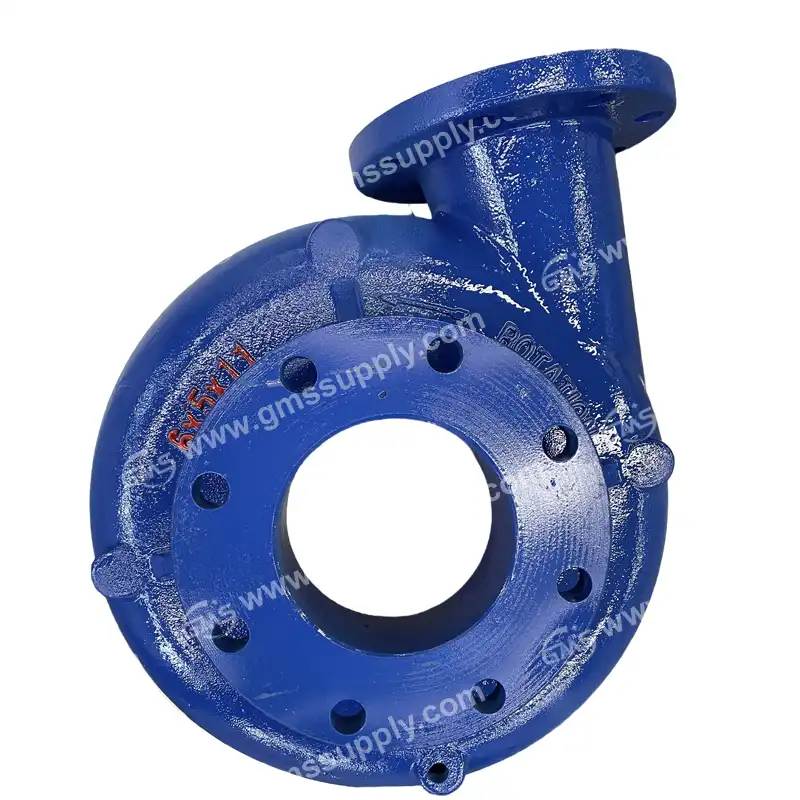
Understanding the GMS 250-Centrifugal Pump Casing for Drilling Systems
The GMS 250-Centrifugal Pump Casing, 6×5×11, is an important part of centrifugal pump kits that are used in drilling rig solid control systems, mud movement units, and other fluid handling tasks. This casing is made with a concentric shape that lowers internal turbulence and increases the life of parts, even in harsh oil drilling settings where pressure is high and surfaces are rough.
The number "6×5×11" means that the suction inlet is 6 inches, the discharge exit is 5 inches, and the highest width of the impeller is 11 inches. This setup works best for moving medium-sized amounts of fluids, where it is important to keep the pressure and flow rate constant. Abrasive drilling fluids often contain sand, barite, and other solid particles. The case protects internal parts like the rotor, wear plate, and mechanical seal from these fluids. Our replacement case fits the Mission Magnum 6×5×11, the 2500 Supreme 6×5×11, the Sandmaster 6×5×11, and other models that are the same or similar from MCM (MCM P/N P25D561, Mission P/N 19122-01-30A, 641101456). Because they work with each other, you can add them to current installations without having to change the way the pipes are laid out or the mounting systems. This saves time and money on the job.
When GMS makes this pump case, they use a high-chrome metal that is very strong against the wear and tear that comes from abrasive slurries. The material is between 40 and 62 HRC hard, so it will last for a long time, even if you handle drilling mud with a lot of solids in it. Because it is built so well, the casing can handle the high temperatures and pressures that are common in oil Pump housing for cementing systems and gas operations. This makes it a reliable choice for drilling contractors and research businesses. The shape of the case also helps fluid flow by keeping the distance between the impeller tip and the inside of the housing the same. This engineering method lowers axial thrust loads and recirculation wear, which means that bearings need less upkeep and can go longer between servicing.
Essential Factors to Consider When Buying GMS 250-Centrifugal Pump Casings
To choose the right pump casing, you need to look at a number of efficiency and fitting factors. Knowing about these things helps buying teams avoid mistakes that cost a lot of money and ensures that the part they choose works well with other systems.
The most important thing to do is make sure that the new casing fits the specs of your present pump type. The GMS 250-Centrifugal Pump Casing, 6×5×11 cases are made to work directly with Mission Magnum, MCM 250, Halco, Mattco, Harrisburg, and SPD Mud Hog centrifugal pumps. GMS has more case sizes than just the 6×5×11 size. They have cases for 3×2×13, 4×3×13, 5×4×14, 6×5×14, 8×6×11, 8×6×14, and 10×8×14 models, so they can meet all working scales. Accuracy in measurements is very important. To avoid delays during installation, make sure that the bolt circle diameter, flange thickness, and fastening size all match exactly with what you already have. GMS keeps tight standards on sizes to make sure that parts fit perfectly, so you don't have to use special cutting or adapter plates.
Because they contain solids like sand, rock chips, and grounding agents like barite, drilling fluids are naturally rough. The material of the covering must not wear away over long periods of use. High-chrome metal shells are more resistant to wear than standard cast iron, which means they last longer and don't need to be replaced as often. When judging the quality of the material, make sure that the seller follows well-known metallurgical standards. GMS checks the quality of the material by spectrographically analyzing every production batch to make sure the right amount of chromium and carbon is present to meet standards for wear resistance. With this level of quality control, you can be sure that the case will work reliably even in tough circumstances.
The cover has to be able to handle the hydraulic needs of your application. The GMS 250-Centrifugal Pump Casing can handle flow rates of up to 1,200 gallons per minute (GPM) and total dynamic heads of up to 200 feet. This means it can be used for mud mixing, desanding, and desilting. Knowing the pressure and flow needs of your system helps make sure that the case you choose works within its design parameters, preventing early failure or inefficiency.
Installation, Maintenance, and Troubleshooting Guide for GMS 250 Pump Casings
The life of your GMS 250-Centrifugal Pump Casing, 6×5×11(Replace MCM P/N P25D561H), is greatly increased by installing it correctly and keeping it in good shape. Following the steps suggested by the maker cuts down on unplanned downtime and keeps the equipment working well.
Before starting the installation, make sure that all of the areas that the pump housing for cementing systems will be touching are clean and free of any dirt, rust, or old gasket material. Carefully line up the pump frame and the case, making sure that the bolt holes line up. Do this without pushing any parts into place. To keep things from warping or leaking, use new gaskets and hold fixing nuts in a star design with even pressure. Once everything is put together, turn the impeller by hand to make sure it spins easily without touching the inside of the case. Before turning on the pump, this step checks to see if there are any imbalances or clearance problems. To keep the best performance, make sure the axial space between the impeller and wear plate stays within the range recommended by the maker, which is usually between 0.015 and 0.030 inches.
Checking for signs of wear, rust, or leaks around the casing joints should be part of regular inspections. Keep an eye on the amount of shaking in the bearing and listen for strange sounds that could mean internal contact or cavitation. Check mechanical seals for leaks because seal failure is often caused by not enough oil or too much shaft movement. Follow the manufacturer's instructions for the right types and amounts of grease to use when lubricating bearings. Too much grease can make bearings get too hot, and not enough grease speeds up wear. Keeping accurate repair logs helps you find trends and guess when parts will need to be replaced.
Leaks in the casing usually happen at the joints of the gaskets or near the mechanical seals. Fixing leaks right away stops fluid loss and infection. If the leak still happens after replacing the seal, check the face of the casing for any damage or bending that might need to be machined out or replaced. Too much space between the rotor and the wear plate, because of corrosion, often causes pumps to work less well. Changing the position of the fan can briefly improve performance, but the wear that won't go away means the part needs to be replaced. Cavitation noise means that there isn't enough air pressure or that the intake line is blocked, which means that the problem isn't just with the case. It needs to be fixed at the system level.
How to Procure GMS 250 Centrifugal Pump Casings Efficiently
To do good procurement, you need to know about wait times, price systems, and what suppliers can do. A strategic method cuts costs and makes sure that deliveries happen on time to meet business needs regarding the GMS 250-Centrifugal Pump Casing, 6×5×11.
GMS keeps sizes that are often asked for in stock, such as the 6×5×11 casing. For stocked things, wait times are usually about one week. This quick access cuts down on downtime when backups are needed right away. Lead times may Pump housing for cementing sytems be longer for bigger orders or custom setups because of how the production schedule works. This is why it's important to plan for planned maintenance activities. Managers of procurement should build ties with suppliers whose stock levels are constant and whose information about stock levels is clear. This openness makes it easier to plan the project and lowers the chance of delays that were not predicted.
Centrifugal pump case prices depend on the type of material, the quantity ordered, and when it needs to be delivered. When you buy in bulk, you can often get volume savings, which can cut the cost per unit by a lot for businesses that take care of multiple pump installs. To correctly compare offers, it is helpful to ask for thorough quotes that list material grades, certifications, and shipping terms. You can make buying even more efficient by negotiating good payment terms and looking into framework deals for regular purchases. Suppliers who give open terms show that they want to build long-term relationships with their customers and make sure they are happy.
Parts like pump cases are big and heavy, so they need to be carefully moved. Make sure that your seller uses the right packaging to keep your items safe during shipping. This should include protective wrapping, moisture shields, and crates. Knowing your freight choices, like whether to ship by air, sea, or land, lets you weigh cost against time of arrival. Make it clear who is responsible for clearing customs and paying import taxes when you buy something from another country. Suppliers with a lot of experience can often help you through these steps, which makes your buying team's job easier.
Why Choose GMS as Your Trusted Supplier for Centrifugal Pump Casings
For more than ten years, GMS has built a strong name in the engineering, oil and gas, and industrial manufacturing sectors. In the competitive industrial parts supply market, we stand out because we care about quality, customer service, and the dependability of our operations regarding the GMS 250-Centrifugal Pump Casing, 6×5×11.
We got ISO 9001 approval to make sure that our goods meet the strict quality standards used around the world. This license shows that we have a structured way of managing quality, which includes inspecting the finished product and finding raw materials. Buyers can be sure that every GMS casing goes through strict quality control steps, such as material spectrography analysis, hydraulic pressure testing, and verifying the dimensions. These quality control steps give you peace of mind that the core you receive will work well in tough drilling conditions, lowering the chance of failure before its time and unexpected downtime.
The GMS 250-Centrifugal Pump Casing, 6×5×11, is one of the high-demand parts that GMS keeps a lot of in stock. This way of keeping track of supplies lets us fill orders quickly—often within a week for things that are in stock. Rapid delivery is especially helpful when you need to make fixes quickly or when equipment breaks down unexpectedly and threatens to delay production. Our logistics services make sure that customers in the US and other countries get their orders on time. This is made possible by relationships with established freight companies that know how to handle heavy industrial parts.
We have a connection with our customers that goes beyond the deal. GMS offers specialized expert support to help with questions about installation, troubleshooting, and maintenance suggestions. This service after the sale makes sure that you can get the most out of your pump casing's useful life and quickly fix any problems that come up. We also keep spare parts and tools in stock, so you can get all the parts you need from a single, reliable source. This streamlined method makes it easier to keep track of supplies and buy things.
We know how important it is to be reliable and flexible when serving our clients because we've been in this business for ten years. We know that drilling activities can't afford to be shut down for long periods of time. That's why we put a high value on quick responses and clear communication throughout the buying process. We can meet both pressing needs and planned repair plans because we have a large inventory, short lead times, and flexible options. By choosing GMS as your provider, you get a partner that will help your business succeed by giving you high-quality goods and great service.
Conclusion
Getting the right centrifugal pump case is a smart choice that affects how reliable the equipment is, how much it costs to maintain, and how much time it is available for use. The GMS 250-Centrifugal Pump Casing, 6×5×11, is a tried-and-true option for drilling systems. It is made of strong materials, fits perfectly in terms of size, and is guaranteed to be of high quality thanks to ISO 9001 certification. Procurement teams can make smart decisions when they know about important selection factors like suitability, material longevity, and pressure ratings. GMS is ready to meet your buying needs with a large inventory, reasonable prices, and full after-sales service, so your drilling activities stay at their best with as little downtime as possible.
FAQ
1. Is the GMS casing fully compatible with Mission Magnum and MCM pumps?
If so, the GMS 250-Centrifugal Pump Casing, 6×5×11 (GMS P/N 250C6511) is designed to work directly with Mission Magnum 6×5×11, MCM P/N P25D561, and other similar types of pumps from Halco, Mattco, Harrisburg, and SPD. All fastening measurements, bolt patterns, and interface standards are exactly the same, so they can be swapped out without any changes.
2. What kind of material is used to make the GMS pump casing?
The case is made by GMS from a high-chrome metal, which is very resistant to wear from abrasive drilling fluids. This substance has a hardness range of 40 to 62 HRC, which means it will last for a long time even when working with fluids that have a lot of solids in them, like those used in oil drills.
3. How long does it take to get the case after I order it?
GMS keeps a ready stock of the 6×5×11 casing, and wait times for in-stock items are usually about a week. Delivery times vary on where you live, and the shipping method you choose, but our operations team works hard to make sure orders are filled quickly so that businesses don't have to shut down.
4. Does the case have any quality certifications?
Yes, all GMS goods are made in quality control systems that are ISO 9001 certified. Each case goes through a thorough review process that includes checking the material, making sure the dimensions are correct, and putting it under pressure. This makes sure that it meets international standards and works well in tough conditions.
Partner with GMS Supply for Reliable Centrifugal Pump Casing Solutions
GMS is ready to help you with your drilling projects by providing high-quality GMS 250-Centrifugal Pump Casing, 6×5×11 centrifugal pump housing options that meet or beat industry standards for performance. As a reliable GMS 250-Centrifugal Pump Casing, 6×5×11 provider, we offer fast shipping and top-notch customer service thanks to our ISO 9001-certified production, large inventory, and more than ten years of experience in the field. We are the best choice for procurement managers and MRO buyers looking for reliable replacement parts because our prices are low, our wait times are short, and our purchasing options are open. Email our team at sales@gmssupply.com right now to get full specs, volume prices, or technical advice. GMS can help you keep your operations running smoothly by providing tried-and-true pump case solutions made to meet the needs of oil and gas drilling systems. The above-mentioned brands are used for part number reference only. GMS is not an authorized agent or representative of any of the brands mentioned.
The above-mentioned brands are used for part number reference only. GMS is not an authorized agent or representative of any of the brands mentioned.
References
1. Smith, J.R. (2021). Centrifugal Pump Systems for Oil and Gas Applications: Design, Selection, and Maintenance. Industrial Press.
2. Thompson, K.L. (2020). Materials and Manufacturing Standards for Heavy-Duty Pump Components. Journal of Petroleum Engineering Technology, 45(3), 112-128.
3. Martinez, A.F. (2022). Procurement Best Practices in the Oil and Gas Industry. Energy Supply Chain Publications.
4. Anderson, P.W. (2019). Fluid Handling Equipment Reliability in Drilling Operations. Drilling Systems Quarterly, 38(2), 67-84.
5. Clarke, S.D. (2023). Quality Assurance and ISO Standards in Industrial Parts Manufacturing. Manufacturing Standards Review, 52(1), 34-49.
6. Roberts, M.H. (2020). Maintenance Strategies for Centrifugal Pumps in Harsh Environments. Technical Equipment Publishers.
Learn about our latest products and discounts through SMS or email