- English
- French
- German
- Portuguese
- Spanish
- Russian
- Japanese
- Korean
- Arabic
- Greek
- German
- Turkish
- Italian
- Danish
- Romanian
- Indonesian
- Czech
- Afrikaans
- Swedish
- Polish
- Basque
- Catalan
- Esperanto
- Hindi
- Lao
- Albanian
- Amharic
- Armenian
- Azerbaijani
- Belarusian
- Bengali
- Bosnian
- Bulgarian
- Cebuano
- Chichewa
- Corsican
- Croatian
- Dutch
- Estonian
- Filipino
- Finnish
- Frisian
- Galician
- Georgian
- Gujarati
- Haitian
- Hausa
- Hawaiian
- Hebrew
- Hmong
- Hungarian
- Icelandic
- Igbo
- Javanese
- Kannada
- Kazakh
- Khmer
- Kurdish
- Kyrgyz
- Latin
- Latvian
- Lithuanian
- Luxembou..
- Macedonian
- Malagasy
- Malay
- Malayalam
- Maltese
- Maori
- Marathi
- Mongolian
- Burmese
- Nepali
- Norwegian
- Pashto
- Persian
- Punjabi
- Serbian
- Sesotho
- Sinhala
- Slovak
- Slovenian
- Somali
- Samoan
- Scots Gaelic
- Shona
- Sindhi
- Sundanese
- Swahili
- Tajik
- Tamil
- Telugu
- Thai
- Ukrainian
- Urdu
- Uzbek
- Vietnamese
- Welsh
- Xhosa
- Yiddish
- Yoruba
- Zulu
How to Replace Manifold Assy 118511 on TDS-11SA Clamp Cylinder
Replacing the 118511 Manifold Assy on NOV Varco TDS-11SA top drive systems involves depressurizing the hydraulic circuit, disconnecting inlet and outlet lines, removing mounting bolts, and installing the new manifold (GMS P/N 11S00769) with fresh O-rings and torque specifications per manufacturer guidelines. This critical hydraulic control component manages fluid distribution and clamp cylinder actuation, and proper replacement prevents pressure loss, fluid leakage, and operational downtime in oil and gas drilling operations.
Understanding the 118511 Manifold Assy and Its Function in TDS-11SA Clamp Cylinder
The manifold unit is the hydraulic brain of the TDS-11SA clamp cylinder system. It sends pressurised fluid to gripping devices that hold drill pipe in place while work is being done. This part controls the flow of pressure across various hydraulic circuits in the TDS-11SA and TDS-9SA top drive platforms. This lets the clamp engage and release cycles happen at the same time. When the driller turns on the clamp function, hydraulic oil runs through carefully machined holes in the body of the manifold. This moves pistons that clamp the pipe link together.
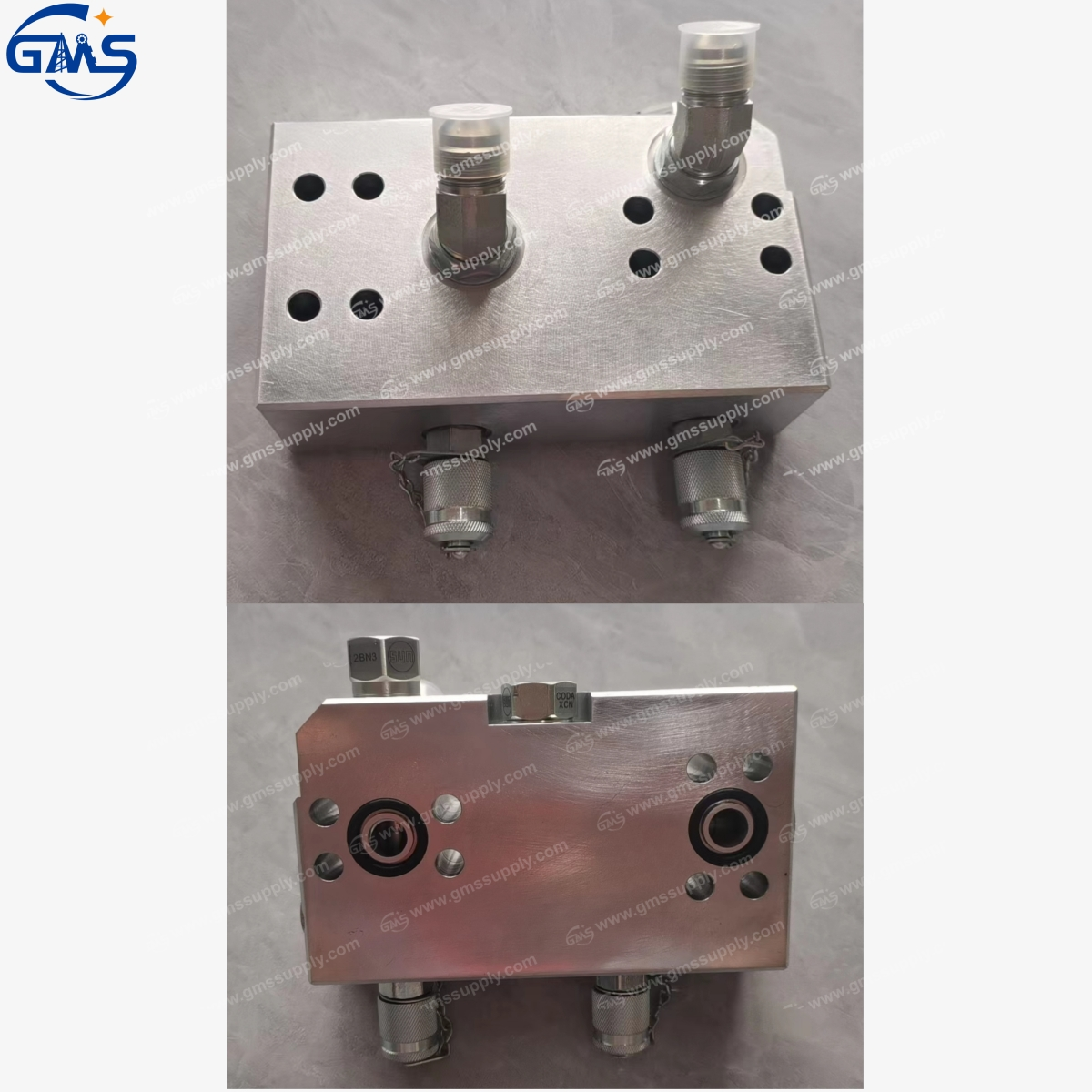
This part has built-in check valves and pressure-balancing ports that keep the binding force constant even when the hydraulic pumps are not working. The design solves a problem that comes up a lot in drilling: keeping the grip pressure constant even when temperature changes and vibrations happen, which can affect the viscosity of the fluid and the performance of the seal. The manifold makes the system more reliable than spread valve setups by putting multiple valve cartridges in a single block. This cuts down on the number of connection points where leaks usually happen.
The choice of material is very important for how long a pipe lasts in drilling settings. The 118511 Manifold Assy is made of polished steel, which can handle the high-pressure cycles and mechanical shock that come with top drive operation. The port threads meet international standards, which means they can be used with normal hydraulic fittings that are used in the rig's fluid power systems. Because it is small, techs can service the part without taking apart nearby sections. This cuts down on maintenance downtime during planned overhauls or emergency repairs.
Diagnosing When to Replace the Manifold Assy 118511 on TDS-11SA Clamp Cylinder
Visual inspection during regular maintenance checks shows the most common signs of failure. External seepage around port connections or the body surface of the manifold is a sign of O-ring wear or casting holes. If hydraulic fluid shows up on the outside of the manifold even though the connections are tight, the inside tubes may have developed tiny cracks from wear and tear. Maintenance teams should keep track of how much fluid is lost through the clamp circuit, since higher consumption usually happens a few working shifts before leaks can be seen.
Inconsistent clamp action of the NOV TDS11 manifold assembly clamp cylinder is a sign of performance decline. When the clamp function is used, operators may notice that it takes longer to connect or that the gripping force is weaker than usual. If the numbers on the pressure gauge change erratically during clamp cycles, it means that the check valve inside the pipe body isn't working properly. These signs usually get worse over time, which gives maintenance managers time to plan replacements before the whole thing breaks down.
When outward signs aren't clear, contamination analysis can help with the diagnosis. Taking a sample of the hydraulic fluid from the clamp circuit and counting the particles shows if there has been internal damage. High levels of metal particles suggest that the valve seats are worn or that there is passage erosion inside the manifold. Getting rid of pollution early on keeps expensive tanks and pumps from getting damaged later on. Replacement planned based on fluid analysis costs a lot less than the fixes needed after a major failure during drilling operations.
According to data from offshore drilling operations, planned 118511 Manifold Assy replacement cuts unexpected downtime by about 40% compared to "run-to-failure" tactics. If operators use condition-based tracking and change manifold assemblies at set times, they can keep their rigs more productive and avoid the extra costs that come with getting parts quickly in an emergency.
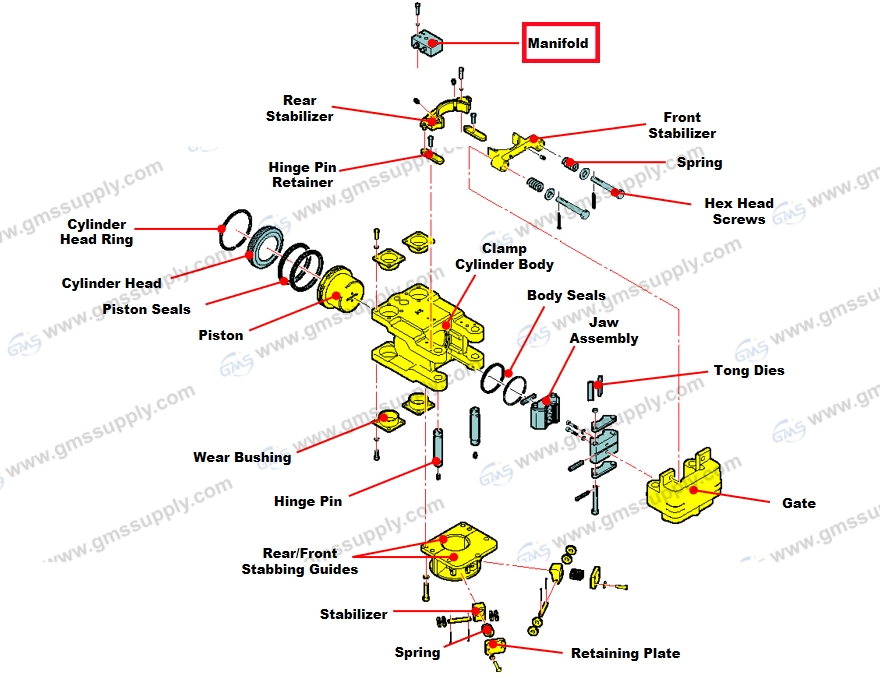
Step-by-Step Process to Replace Manifold Assy 118511 on TDS-11SA Clamp Cylinder
Depressurising the whole system is the first step in getting it ready for safety. Turn off the hydraulic power units and use the bleed valves on the clamp circuit to release any remaining pressure. Before loosening any fittings, use accurate measures to make sure there is no pressure. Follow the safety rules for your rig to lock out all energy sources and put warning tags on the hydraulic control panels. Get the tools you need, like torque wrenches that are set according to the manufacturer's instructions, thread glue that works with oil-based fluids, and clean, lint-free rags for cleaning the surface.
To remove a component, hydraulic lines must be carefully disconnected. Take pictures or write down the names of each hose link before taking it apart to make sure you put it back together the right way. Cover any open ports right away to keep dirt from getting into the hydraulic system. Take out the bolts that are holding the manifold to the clamp cylinder body. This will keep the weight of the unit from falling during extraction. When putting in the new unit, check the fixing surface for damage or rust that could weaken the seal.
Preparing the surface is the first step in installing the new 118511 Manifold Assy. Cleaning the mounting sides well and using a straightedge to make sure they are flat is important because surface distortion stops closing properly. Put in new O-rings in the ports on the manifold. Lightly grease them with clean hydraulic fluid to make the fitting installation easier and keep the seals from getting damaged. Carefully place the manifold (GMS P/N 11S00769), making sure that the bolt holes line up without pushing the part. Before adding pressure, thread the mounting bolts by hand first to make sure they are lined up correctly.
Specifications for the torque of Varco top drive repair parts are very important for leak-free performance. Tighten the mounting bolts in a cross-pattern to make sure that the clamping load is spread out properly, following the numbers given in the repair documentation. Using the photos as a guide, reconnect the hydraulic lines by adding thread glue to the male fittings as directed by the product. Don't tighten too much because that can mess up port threads and make leak tracks. Once all connections are safe, take out the locking devices and slowly put pressure on the system while keeping an eye out for leaks. Before putting the equipment back into service, make sure the clamp device works smoothly by running it through several full processes.
Choosing the Right 118511 Manifold Assy: Comparison & Procurement Considerations
When purchasing, teams look at manifold kits for TDS-11SA systems; they need to make sure that the sizes are compatible and that the pressure levels meet the needs of drilling operations. The 118511 Manifold Assy (GMS P/N 11S00769) is tested carefully to find any flaws in the casting and make sure it works properly in tough field conditions. ISO 9001 approval shows that quality management is used throughout the whole production process. It meets the needs of buyers who want to track their supplies and make sure that products meet the same standards.
Lead time has a big effect on plans for upkeep and keeping track of inventory. The 118511 Manifold Assy is always in stock at GMS, so it can be quickly sent out for both planned repair and emergency replacements. This way of keeping inventory is different from suppliers who need longer lead times for making, which means workers have to keep more spare parts on hand or risk longer downtime while they wait for parts. Total cost of ownership, which includes holding costs for safety stock and seller responsiveness, is one of the two things that procurement managers should compare.
In the market for top drive parts, providers are set apart by the level of technical help they offer. GMS helps application engineers make sure that the TDS-11SA and TDS-9SA platforms are compatible. This makes it easier for support teams to find the right assemblies for different serial number groups and use part number cross-references. This professional partnership is helpful when working with older machines that may not have full documentation or when checking to see if a 118511 Manifold Assy can be used with more than one top drive type in a fleet.
Maintenance Tips to Extend Manifold Assy 118511 Lifespan
As part of regular inspections, the outside of the pipe should be looked at visually during checks of the hydraulic system. Technicians should wipe down the surface of the part to see if there is any seepage that dried powder might hide. Taking pictures of the state of the manifold at regular times creates a visual history that helps find patterns of slow degradation. Infrared thermography can show areas of localised warmth that mean there are internal limits or valve problems before they show up on the outside.
The quality of the hydraulic fluid of China top drive maintenance parts has a direct effect on how long a valve lasts. When you maintain filter systems the way the maker tells you to, abrasive particles can't wear down valve seats and internal pathways. Samples of fluid taken at regular times should meet the cleanliness standards for high-pressure hydraulic systems. If the level of pollution is too high, it is much cheaper to change the filters and fluid before damage happens than to replace the 118511 Manifold Assy sections and downstream parts that have been worn down.
To keep wear from happening too quickly, operating factors should stay within the limits set by the designer. Pressure spikes caused by quickly opening or closing a valve or by temperature changes can put stress on internal seals and cause tiny cracks to spread in the walls of the casting. By teaching workers how to use smooth control inputs, shock loading that wears out hydraulic parts is cut down. Keeping an eye on the system pressure during clamp cycles can help find problems early on, before they get so bad that the manifold has to be replaced.
Getting in touch with dependable providers will make sure you have access to high-quality replacement parts when repair is needed. GMS has more than ten years of experience working with oil and gas drilling operations and can offer creative purchasing options that are tailored to the needs of those operations. Keeping a strategic store of extra parts for important parts like the 118511 Manifold Assy balances the costs of keeping the inventory with the risks of longer downtime. This is especially important for operations in remote areas where logistics problems can stop production for days.
Conclusion
Top drive drilling systems can keep working as usual if the 118511 Manifold Assy repair process is managed well. This hydraulic control part is very important to the TDS-11SA clamp cylinder assembly. Knowing the diagnostic signs, the right way to change it, and what to look for when buying it helps maintenance teams make sure the equipment works well. Choosing high-quality parts from sources with a history of reliability, keeping the right amount of spare parts on hand, and using proactive inspection routines can all help cut down on unplanned downtime and keep maintenance costs in check. The technical advice in this article gives purchase managers and maintenance workers the information they need to make decisions that will help keep drills productive and equipment lasting a long time.
FAQ
1. What are the primary indicators that the 118511 Manifold Assy requires replacement?
Fluid seepage around the body of the manifold, irregular clamp engagement or release behaviour, unpredictable pressure gauge readings during clamp cycles, and higher hydraulic fluid consumption in the clamp circuit are the most reliable signs. If a visual check shows that the casting is corroded or physically damaged, it also needs to be replaced.
2. Can generic manifold assemblies substitute for the specified 118511 model in TDS-11SA systems?
If you use parts that aren't mentioned, they might not work with the clamp cylinder's port configurations, pressure ratings, or dimensional standards that are necessary for it to work right. For TDS-11SA and TDS-9SA systems, the 118511 Manifold Assy makes sure that fluids are distributed correctly and that the system works as a whole. Using tested, suitable parts like GMS P/N 11S00769 keeps the system reliable and keeps you from having to spend a lot of money fixing problems with fitting or performance.
3. How long does a typical manifold assembly replacement require?
Replacement is done by experienced maintenance workers in four to six hours, which includes depressurising the system, removing parts, installing them, and checking them afterward. The length of time depends on how easy it is to get to the top drive and whether or not more fixes need to be made while the connected parts are being inspected.
Partner with GMS for Reliable 118511 Manifold Assy Solutions
To keep a drive system running at its best, you need to be able to get quality parts and quick expert help. A company called GMS has been in the oil and gas drilling business for more than ten years. They specialise in top drive repair parts for TDS-11SA, TDS-9SA, and other similar platforms. Our ISO 9001 license shows that we are dedicated to making products that meet the strict needs of drilling activities around the world. The 118511 Manifold Assy (GMS P/N 11S00769) ships from our in-stock inventory, so there are no delays that could mess up repair plans. Technical support teams answer questions about applications and check for compatibility, making sure you get the right parts. Get in touch with our experts at sales@gmssupply.com to talk about your manifold assembly needs and see why established drilling operations trust us with their most important hydraulic parts.
References
1. American Petroleum Institute, "Recommended Practice for Top Drive Systems," API Specification 8C, Washington, D.C., 2019.
2. National Fluid Power Association, "Hydraulic Manifold Design and Application Guidelines," NFPA Technical Report T3.20.8, Milwaukee, Wisconsin, 2021.
3. Society of Petroleum Engineers, "Maintenance Strategies for Drilling Equipment Reliability," SPE Production & Operations Journal, Vol. 36, No. 3, 2021, pp. 487-502.
4. International Organization for Standardization, "Hydraulic Fluid Power—Manifolds—Part 1: Principles and Requirements," ISO 4401:2020, Geneva, Switzerland, 2020.
5. Offshore Technology Conference, "Predictive Maintenance Techniques for Top Drive Systems," OTC Technical Paper 30542, Houston, Texas, 2020.
6. Hydraulics & Pneumatics Magazine, "Troubleshooting Common Manifold Failures in Industrial Hydraulic Systems," Penton Media Industry Publications, Cleveland, Ohio, 2022.
Learn about our latest products and discounts through SMS or email