- English
- French
- German
- Portuguese
- Spanish
- Russian
- Japanese
- Korean
- Arabic
- Greek
- German
- Turkish
- Italian
- Danish
- Romanian
- Indonesian
- Czech
- Afrikaans
- Swedish
- Polish
- Basque
- Catalan
- Esperanto
- Hindi
- Lao
- Albanian
- Amharic
- Armenian
- Azerbaijani
- Belarusian
- Bengali
- Bosnian
- Bulgarian
- Cebuano
- Chichewa
- Corsican
- Croatian
- Dutch
- Estonian
- Filipino
- Finnish
- Frisian
- Galician
- Georgian
- Gujarati
- Haitian
- Hausa
- Hawaiian
- Hebrew
- Hmong
- Hungarian
- Icelandic
- Igbo
- Javanese
- Kannada
- Kazakh
- Khmer
- Kurdish
- Kyrgyz
- Latin
- Latvian
- Lithuanian
- Luxembou..
- Macedonian
- Malagasy
- Malay
- Malayalam
- Maltese
- Maori
- Marathi
- Mongolian
- Burmese
- Nepali
- Norwegian
- Pashto
- Persian
- Punjabi
- Serbian
- Sesotho
- Sinhala
- Slovak
- Slovenian
- Somali
- Samoan
- Scots Gaelic
- Shona
- Sindhi
- Sundanese
- Swahili
- Tajik
- Tamil
- Telugu
- Thai
- Ukrainian
- Urdu
- Uzbek
- Vietnamese
- Welsh
- Xhosa
- Yiddish
- Yoruba
- Zulu
Why Gear Pinion 685-10-0 Failures Disrupt Canrig 8050 Drilling?
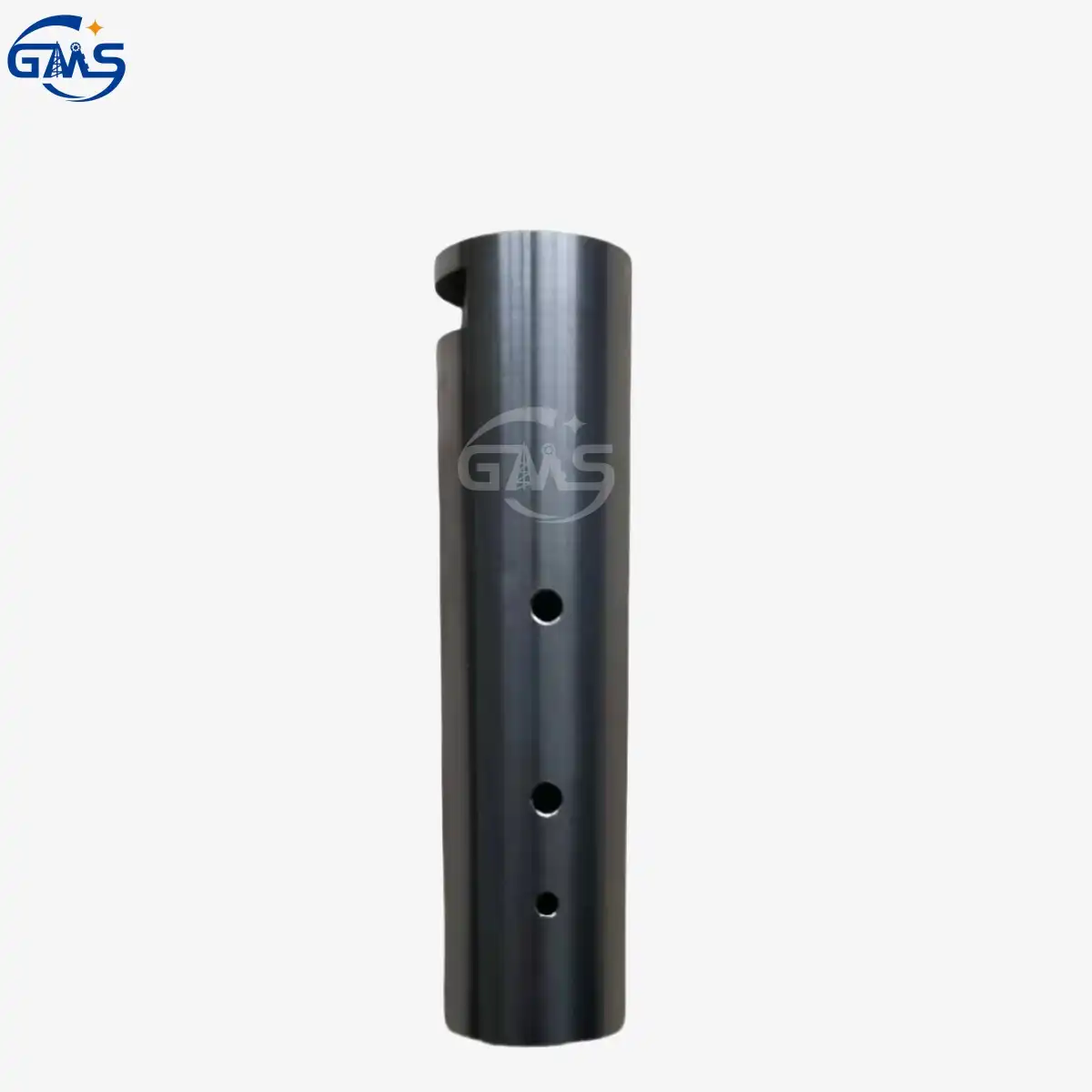
When digging stops without warning, it can have a huge effect on the budget. An important part of keeping power flowing and speed under control is the Gear Pinion 685-10-0, a precision part with 25 teeth made for Canrig 8035, 8050, and 6027 top drive systems. If this pinion fails just once, it can cause a lot of problems, including longer downtime, broken safety rules, and big losses in income. Figuring out why these things go wrong and using proactive buying methods can make the difference between oil and gas drilling projects running smoothly and ones that have to deal with costly delays.
Understanding Gear Pinion 685-10-0 and Its Role in Canrig 8050
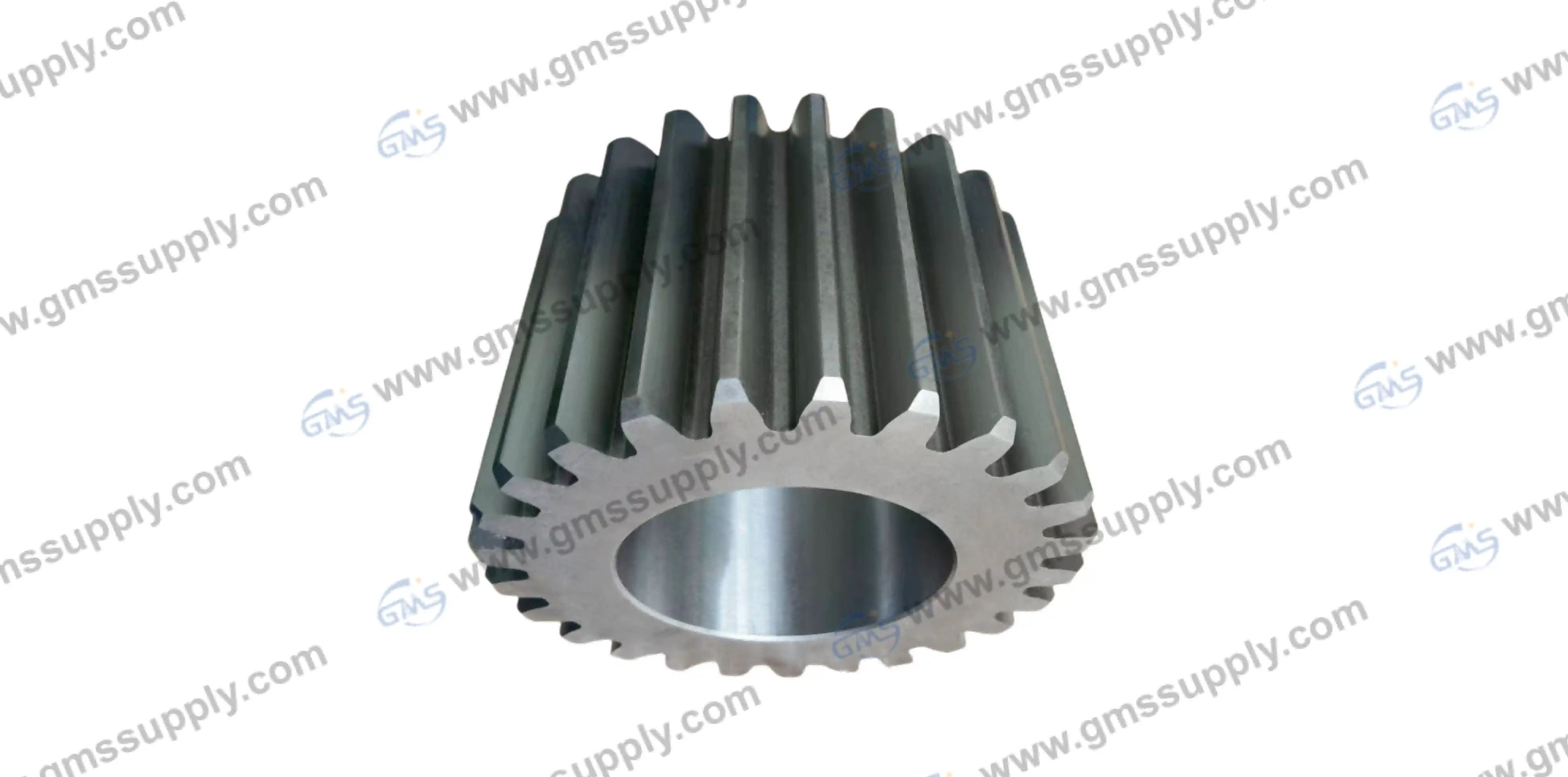
An important part of Canrig top drive systems is the Gear Pinion 685-10-0. It connects the drive motor to the bull gear unit. This part is made from high-quality alloy steel that is usually heated through a process called carburising to get the best surface hardness, which is usually between HRC 58 and 62. The core of the metal is still flexible, so it can handle impact forces without breaking. It was designed so that the 25-tooth layout fits perfectly with the bull gear. This turns the rotational speed into the large power output that is needed for drilling through tough rock formations.
In Canrig 8050 rigs, this gear has to work under a lot of mechanical stress. During drilling activities, the part is constantly loaded and unloaded, heated and cooled, and exposed to rough materials in the drilling fluids. The gear's changed involute tooth shape increases the contact ratio and spreads loads evenly across the tooth side to stop it from wearing out too quickly. When it's working right, the pinion controls the rotational speed very precisely, so workers can change the drilling settings based on the hardness of the formation and the needs of the job.
Part number 685-10-0's technical specs are very detailed and meet strict engineering standards. To keep friction and heat production as low as possible during meshing processes, the surface finish is kept at Ra 0.8 or better. The size limits usually follow DIN Class 7 or AGMA 10 rules, which ensure that parts can be interchanged between different types of rigs. In oil drilling settings, where even small mistakes can cause catastrophic machine failures, this level of accuracy is a must.
Common Causes of Gear Pinion 685-10-0 Failures in Canrig 8050 Drilling
Understanding how failures happen is important for coming up with good ways to stop them. This Gear Pinion 685-10-0 is put under a lot of stress at the same time by the hard conditions of oil drilling, which makes wear patterns happen more quickly.
The most common type of failure is material wear. Microscopically high levels of stress are created at the tooth root when it is continuously exposed to high twisting loads during drilling processes. These stress peaks turn into fatigue cracks over time, especially if the part is used for longer than its intended service life. When the drill bit hits very dense rock layers, causing shock loads that are higher than standard operating limits, the problem gets worse during peak load times.
Not enough lubrication is a major cause of earlier pinion breakdowns. When the lube film isn't thick enough, the pinion and bull gear sides can touch metal, which causes too much friction and heat. When digging, drilling mud, rock bits, and formation fluids can get into the gear mesh and change the viscosity of the lubricant, which can cause it to wear down faster. This pollution greatly speeds up the wear process, making pits and scoring lines on the sides of the active teeth.
Variations in the quality of manufacturing are another very important issue. It's not always the case that new pinions are made of the same metal or are the same size. Failure to properly set the case depth or not having enough core toughness can cause parts to break easily when they are shocked. Not using the right heat treatment methods can leave austenite in the microstructure, which lowers the load-bearing capacity and speeds up tooth deflection under practical loads.
Things in the environment that are only present during oil drilling activities are also harmful. Thermal cycle stresses are caused by changes in temperature between the atmospheric temperature and the operating temperature. Hydrogen sulphide and other corrosive gases can cause stress corrosion cracking in some drilling settings. This is especially true when high tensile loads are present at the tooth root. When moisture gets into sealed gearboxes, it speeds up the rusting process, which makes the gears even less reliable.
Impact of Gear Pinion Failures on Canrig 8050 Drilling Operations
When a pinion fails, it has effects that go far beyond the instant mechanical breakdown of the Canrig gear pinion. Without warning, the whole rig stops rotating when the Gear Pinion 685-10-0 stops working while it is being used for digging. This sudden stopping can make the drill string get stuck in the wellbore, which can cost a lot of money to fix and could mean losing bottom-hole assembly parts worth tens of thousands of dollars.
The costs of the job are directly affected by the downtime that comes with replacing pinions. In order to change a gear, the top drive unit usually needs to be taken apart, the connecting parts checked, and then the whole thing carefully put back together again. This process can take anywhere from 12 to 24 hours of time that can't be used for anything else. During that time, daily running costs keep going up without any digging progress.
A cost factor that is often ignored is secondary damage. Metal pieces from a severely failed pinion can travel through the gearbox and hurt bearings, seals, and even the bull gear itself. When a single part fails, it can lead to the whole engine needing to be overhauled, which raises the cost of repairs and extends the time they are out of service. Lubrication systems have to be completely flushed and replaced because they are contaminated. This makes repair attempts more expensive and difficult.
The effects on safety cannot be overstated. Unexpected technical problems put rig workers in dangerous situations. Unexpected load releases can make the drill string whip, and broken gear teeth can get through housing casings and pose a projectile risk. Reporting requirements from regulators after technical failures can lead to more checks and delays in operations, which can make the financial and scheduling effects even worse.
Best Practices for Procurement and Maintenance to Prevent Gear Pinion 685-10-0 Failures
Strategic choices about buying things are the first step in keeping Gear Pinion 685-10-0 components from breaking. Buying from sources that are ISO 9001 certified ensures that the parts meet international quality standards and go through strict testing procedures. Quality sellers use a variety of tests, such as Coordinate Measuring Machines to check the dimensions, mechanical analysis to make sure the case depth is correct, and Magnetic Particle Inspection to find surface flaws that can't be seen with the naked eye.
When procurement teams look at possible sellers, they should give more weight to those who offer heat treatment certificates, material test results, and dimensional inspection records are all proof that the quality of the making can be checked. When suppliers keep a lot of goods on hand, lead times go down, which lets them respond faster to urgent repair needs. At GMS, we keep the 685-10-0 pinion in stock with short delivery time, and we have over ten years of experience working with oil drilling companies around the world.
Here are the essential procurement considerations that distinguish reliable suppliers:
- Certification and Quality Assurance: ISO 9001 approval shows a dedication to consistent production methods. Suppliers should give test results that are specific to each batch. These tests should include measures of hardness, case depth checks, and reports on physical conformity. With this paperwork, procurement teams can check the specs of parts before installing them.
- Inventory Management and Lead Times: Drilling activities can't wait for long periods of time for parts to arrive. Getting to know providers who have short lead times and a variety of shipping choices lowers the risk of downtime. Strategic placement of goods makes sure that important parts can still be found when they need to be replaced right away.
- Technical Support Capabilities: Suppliers who offer engineering consulting services add value beyond just providing parts. Having access to technical experts who know the specs of the Canrig system lets you make smart choices about which parts to buy, how to install them, and how to fix problems.
- After-Sales Service Commitment of Canrig top drive spare parts: As part of our after-sales service commitment, we offer full help after the sale. Procurement investments are safe as long as there are responsive contact lines, clear return policies, and warranties that cover the products. Long-term partnership methods, not transactional relationships, with suppliers produce better value throughout the lifecycle of components.
These procurement advantages directly translate to operational reliability. Working with well-known sources takes away the worry about whether or not a part is real and how well it works, which lowers the chance of early failures that mess up drilling plans.
How the gear is installed and maintained has a big effect on how long it lasts. When you install something correctly, the teeth will connect correctly, and the load will be spread out evenly. To keep things from sticking or wearing out too quickly, backlash sizes must stay within certain limits. When installing something, cleaning is very important because any dirt or dust that gets into the system speeds up the degrading process.
The most important upkeep variable is how the lubrication is managed. Using extreme pressure lubricants with a high viscosity that are made for sealed gearboxes keeps the film thickness at the right level under operating loads. When it comes to viscosity, ISO VG 220 or 320 gear oils work well for most drilling tasks. By setting up regular oil analysis programs, you can find wear metal buildup early on, which lets you know about problems before they become catastrophic.
Scheduled inspection intervals allow proactive identification of wear indicators. Teeth surfaces should be looked at visually for wear patterns, especially along the pitch line, which is where the most contact forces happen. If the cracking covers more than 15% of the active side area, it means that the whole thing needs to be replaced. Unusual noise patterns during operation, such as grinding or hitting sounds, are a sign of growing meshing problems that need to be looked into right away.
Conclusion
In Canrig 8050 drilling systems, the Gear Pinion 685-10-0 is more than just a simple mechanical part; it's the key to keeping the systems running. When this 25-tooth gear fails, it sets off a chain of events that affects the project's budget, safety rules, and plans for operations. Procurement pros and technical teams can greatly lower the risk of downtime by putting in place preventative measures that take into account material fatigue, lack of lubrication, and weather stresses. Strategic buying from approved sources, strict quality checks, and disciplined maintenance practices are what make top drives work reliably in tough oil drilling situations.
FAQ
1. What are the early warning signs of Gear Pinion 685-10-0 failure?
The most common early warning sign is abnormal operating noise. Grinding, clicking, or knocking sounds during spinning are signs of tooth damage or not enough lubricant. If you measure more shaking at the top drive shaft, it could mean that the meshing isn't quite right. Fine metal bits may be visible in the grease, which means that the wear processes are still going on. If the temperature at the gearbox body goes up, it means that there is more friction because the grease is wearing off or the surface is getting damaged.
2. How can procurement teams verify component authenticity?
Suppliers with a good reputation give a lot of paperwork, like material certificates, and measurement inspection reports. Having ISO 9001 certification means that you follow quality control methods. By asking for batch-specific test results, hardness numbers, and case depth measurements can be checked. A physical check should make sure that the part numbers are marked correctly and that the surface finish is of a quality that is consistent with precision manufacturing methods.
Source Reliable Gear Pinion 685-10-0 Components from Experienced Suppliers
Since GMS has been specialising in top drive spare parts for oil and gas drilling operations for ten years, you can trust us to help you with important parts like the Gear Pinion 685-10-0. We keep our ISO 9001 certification up to date, which means that every 25-tooth gear for Canrig 8035, 8050, and 6027 systems meets strict international standards. Our large collection means that wait times are short, and our technical team is available to help with the buying process. Get in touch with sales@gmssupply.com right away to talk about your specific needs and find out how our adaptable solutions, low prices, and full after-sales support can improve your business efficiency and lower your total cost of ownership.
References
1. Peterson, M. (2019). Gear Failure Analysis: Techniques and Applications in Heavy Industry. Industrial Press Inc.
2. Davis, J.R. (2020). Gear Materials, Properties, and Manufacture. ASM International Handbook Committee.
3. Townsend, D.P. (2018). Dudley's Handbook of Practical Gear Design and Manufacture, Third Edition. CRC Press.
4. American Gear Manufacturers Association. (2021). AGMA 2001-D04: Fundamental Rating Factors and Calculation Methods for Involute Spur and Helical Gear Teeth. AGMA Technical Publications.
5. Wright, S. and Hassan, K. (2020). "Failure Mode Analysis of Carburized Gear Pinions in Drilling Equipment." Journal of Petroleum Technology, 72(8), pp. 45-58.
6. International Organization for Standardization. (2019). ISO 6336-1:2019 - Calculation of Load Capacity of Spur and Helical Gears - Part 1: Basic Principles. ISO Standards Catalogue.
Learn about our latest products and discounts through SMS or email